The Work Behind the Walls
Hover to reveal the details
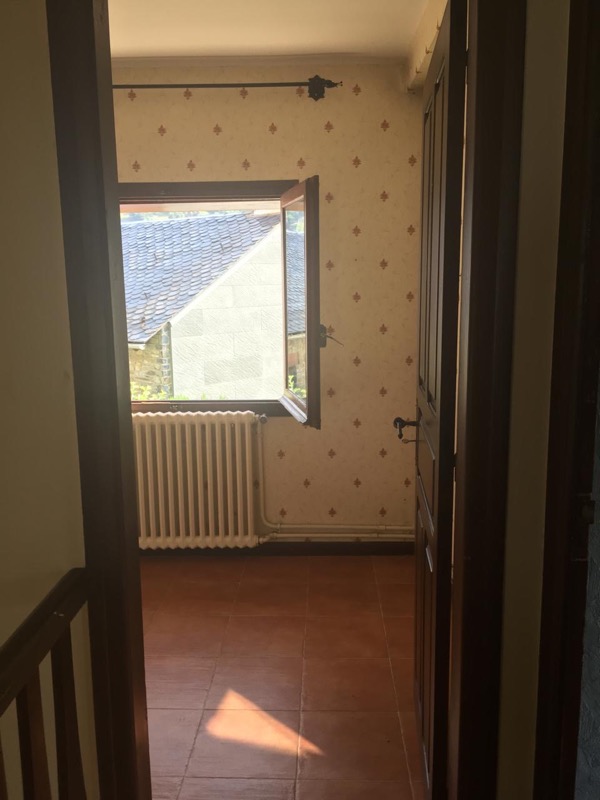
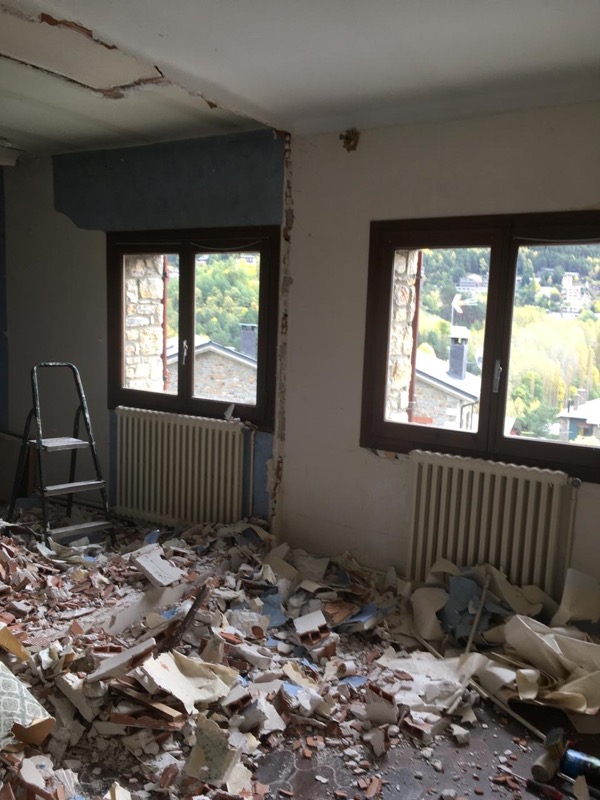
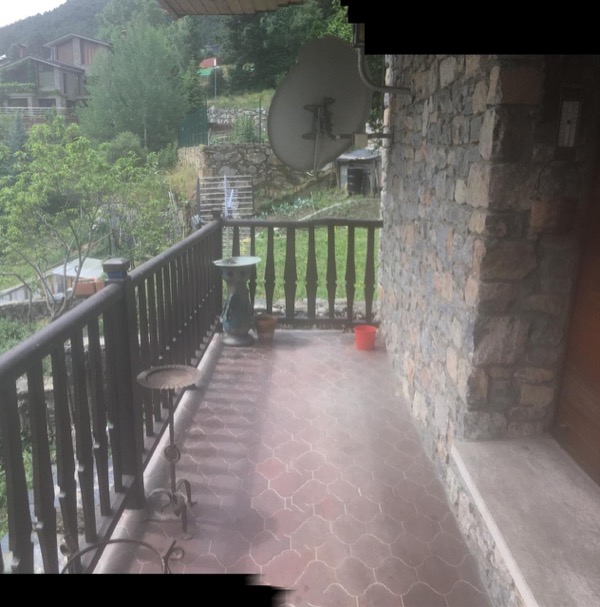
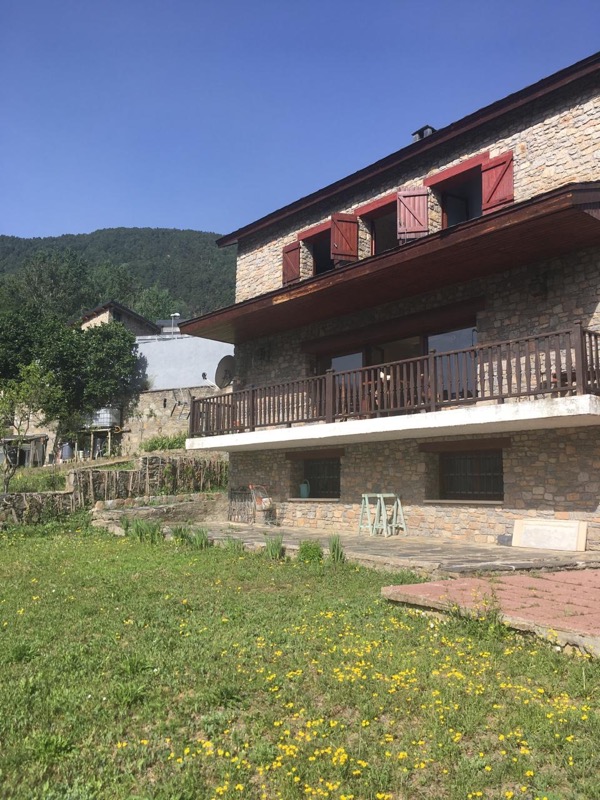
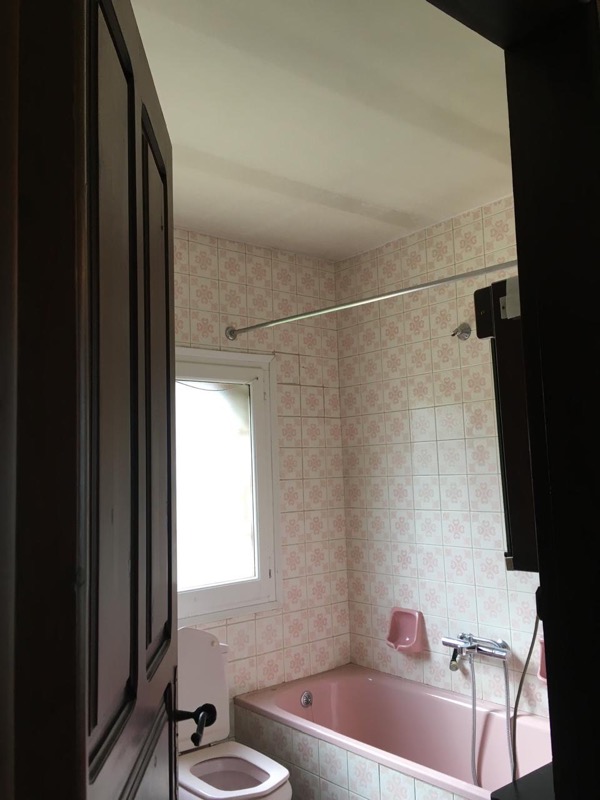
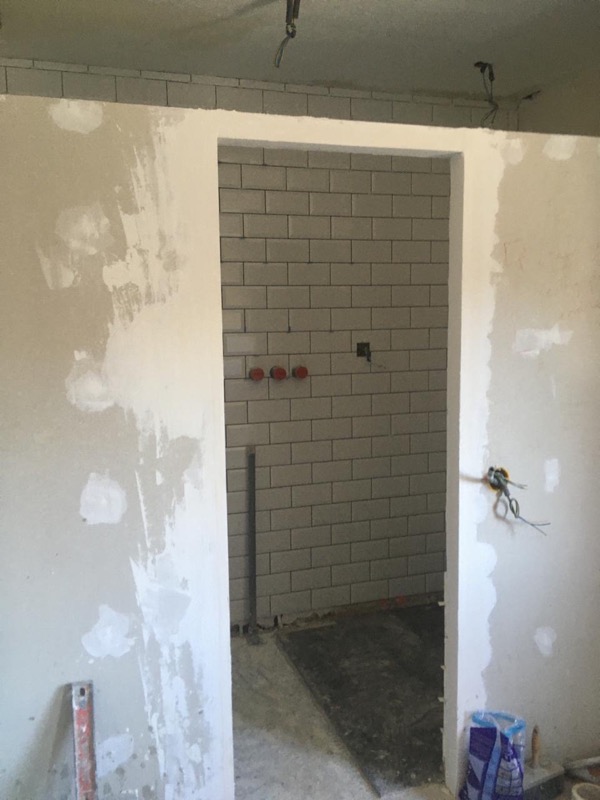
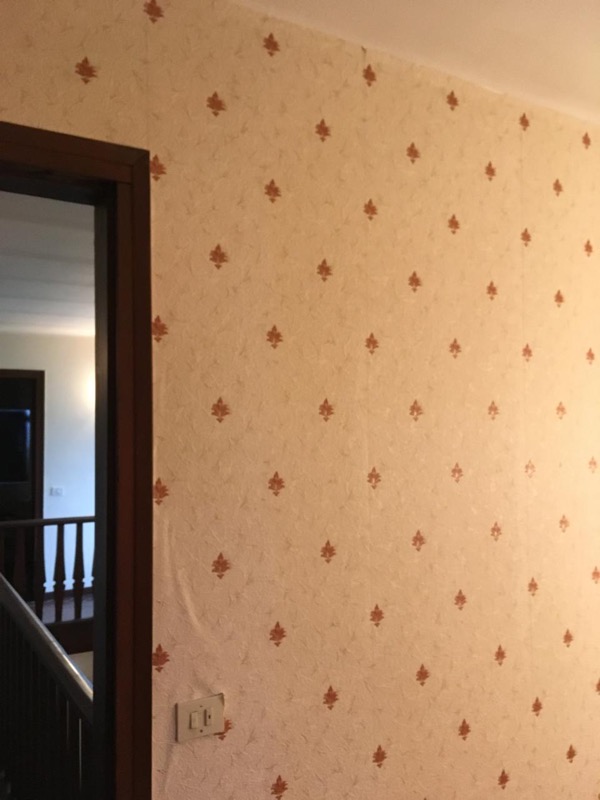
From a 1971 Original to a Modern Masterpiece
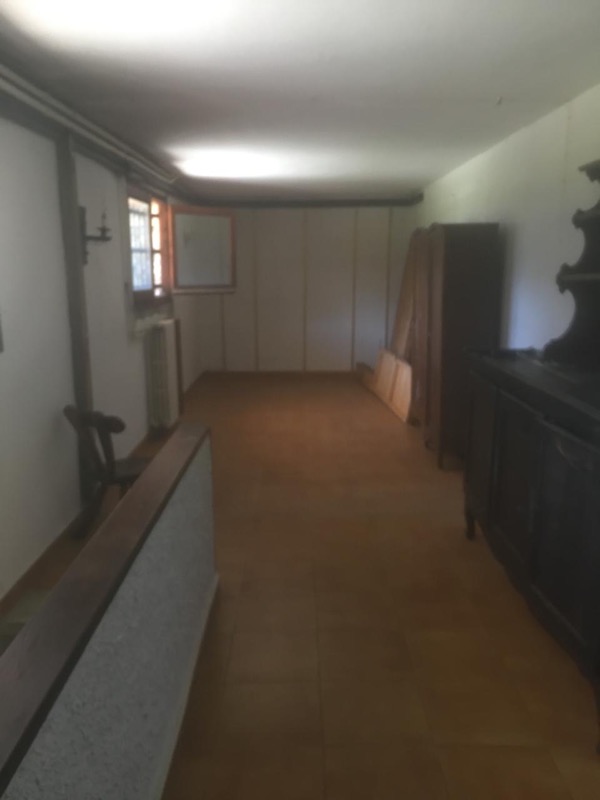
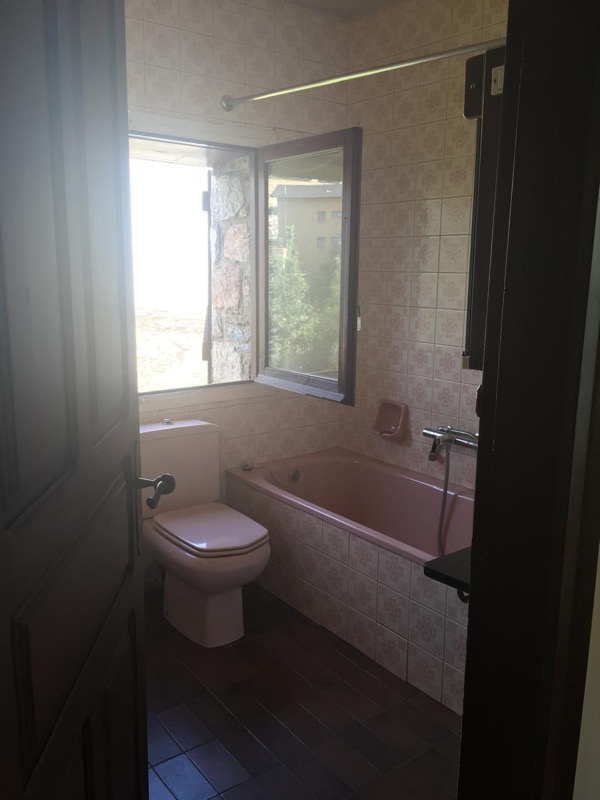
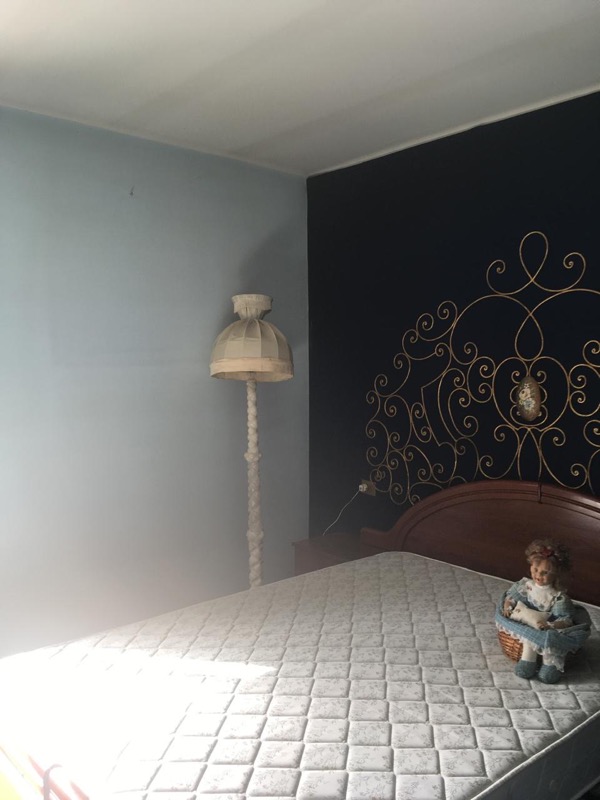
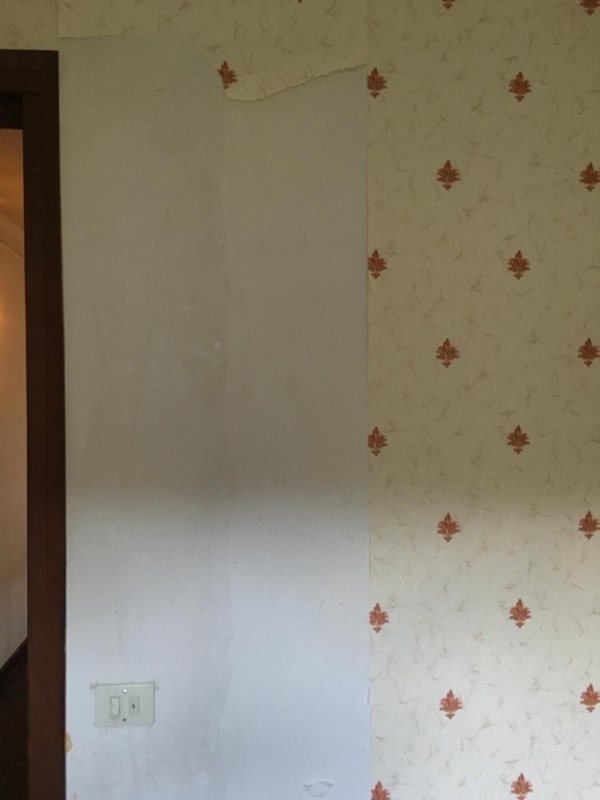
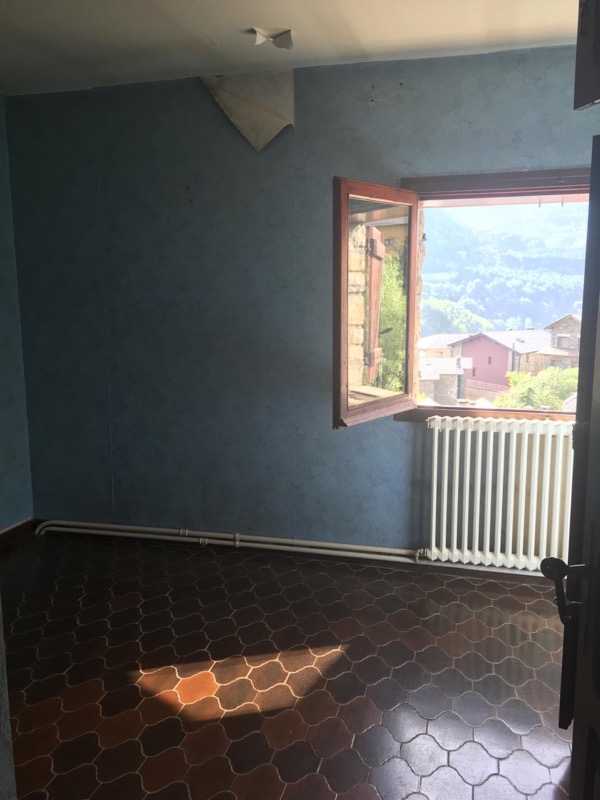
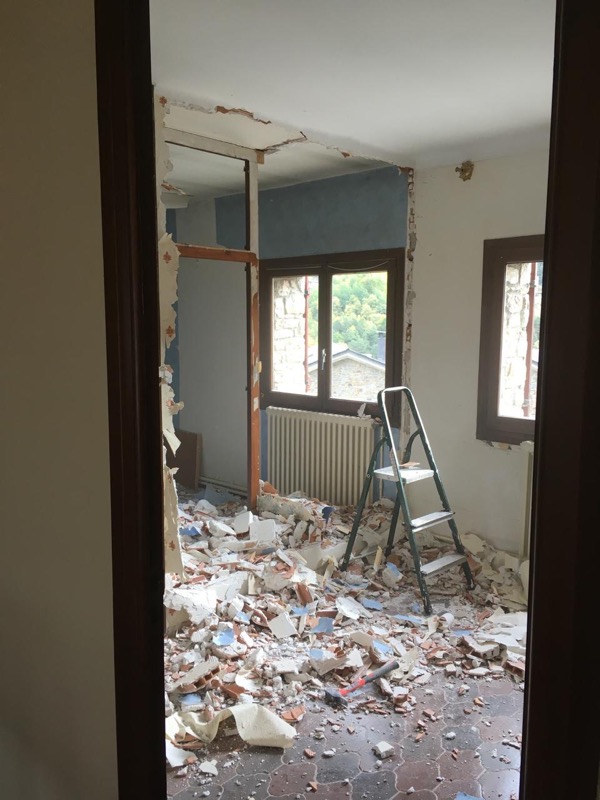
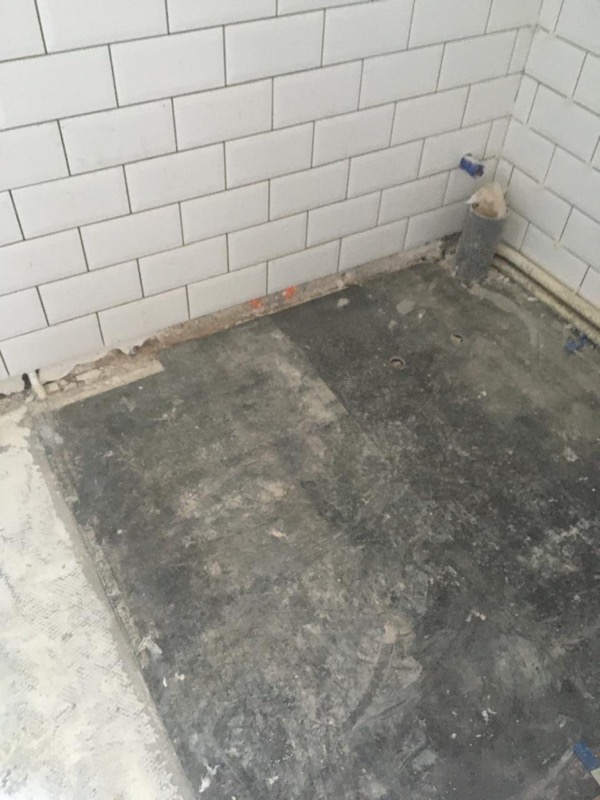
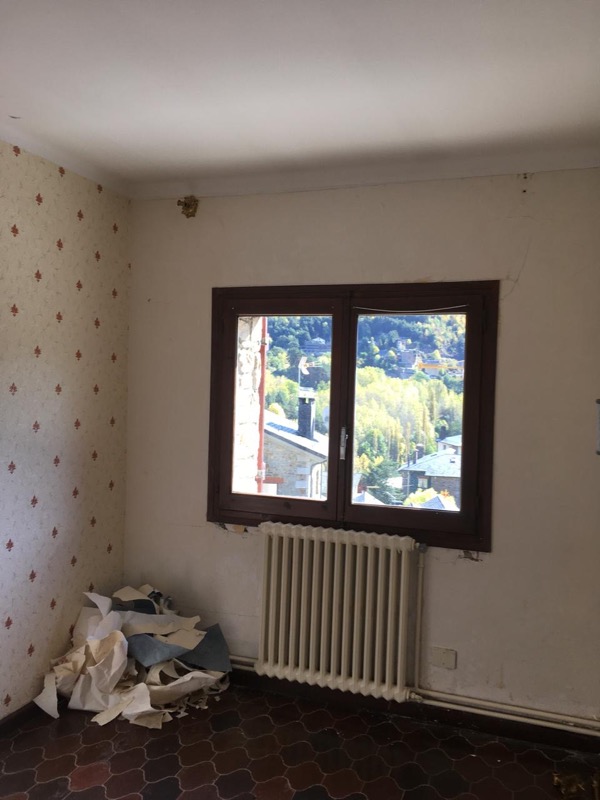
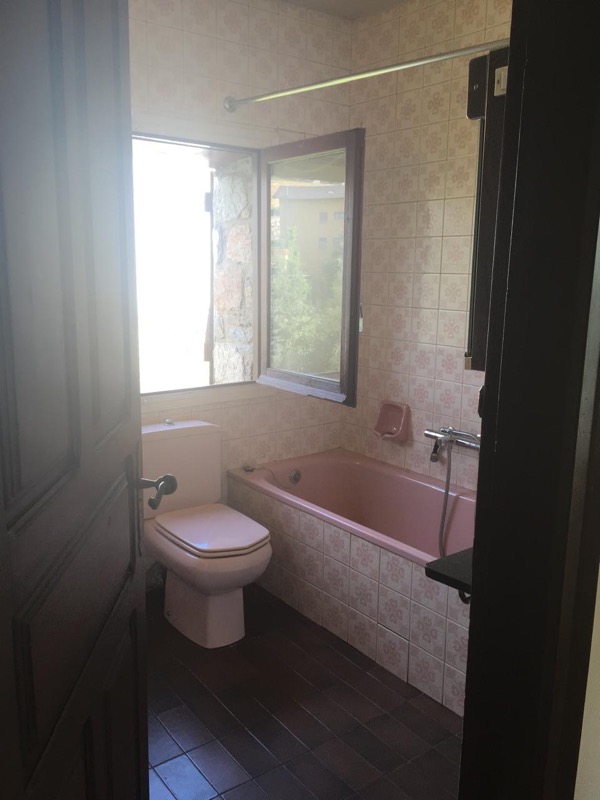
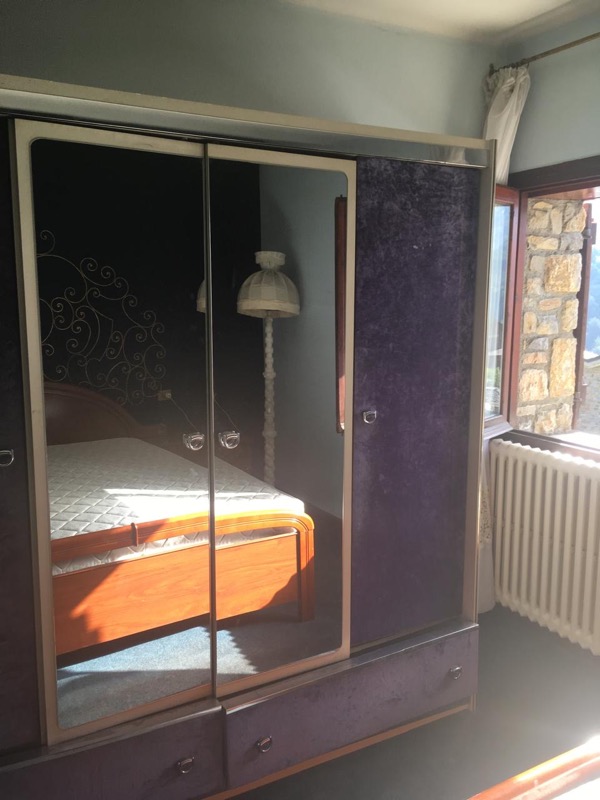
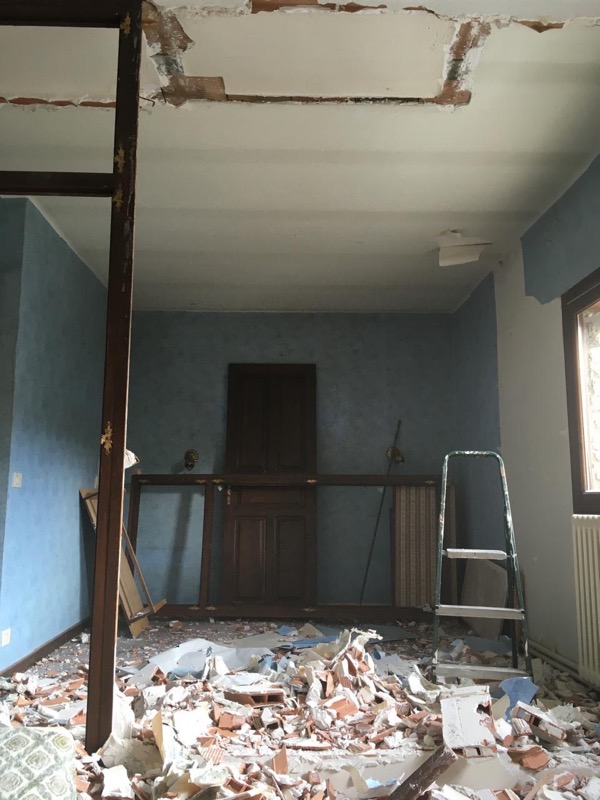
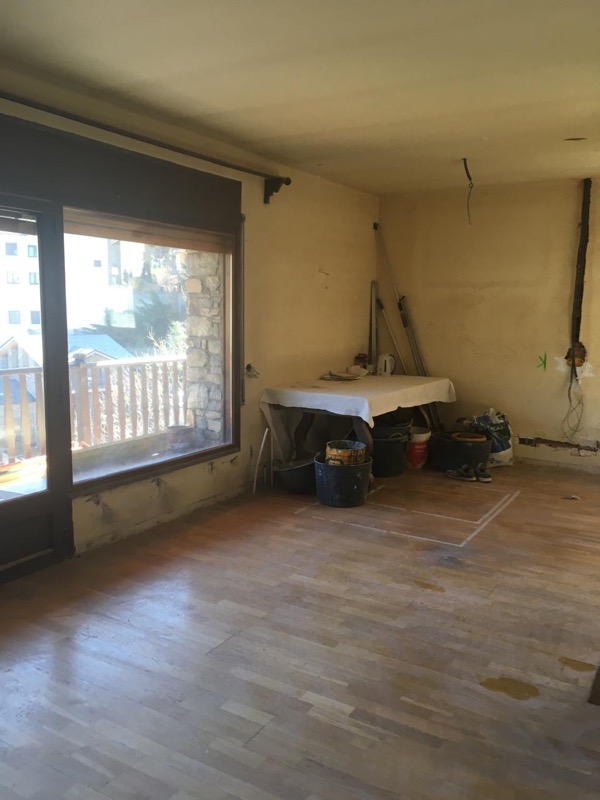
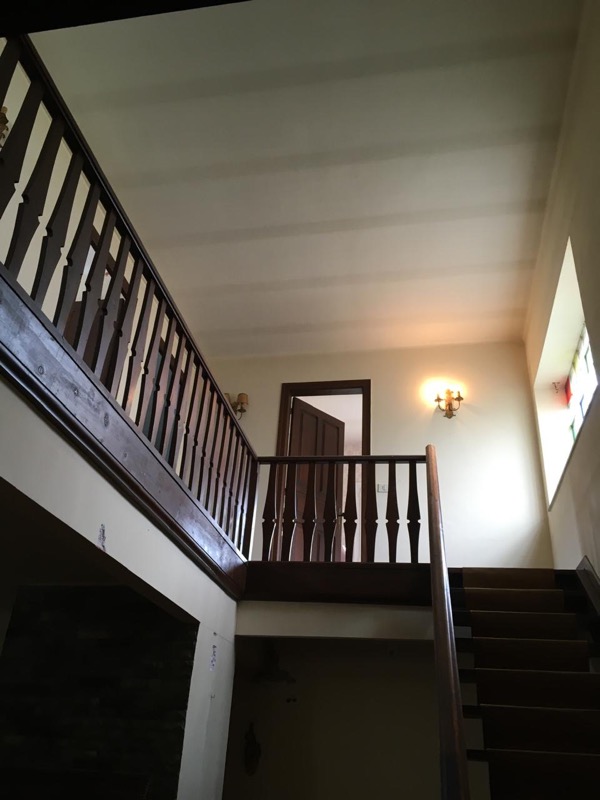
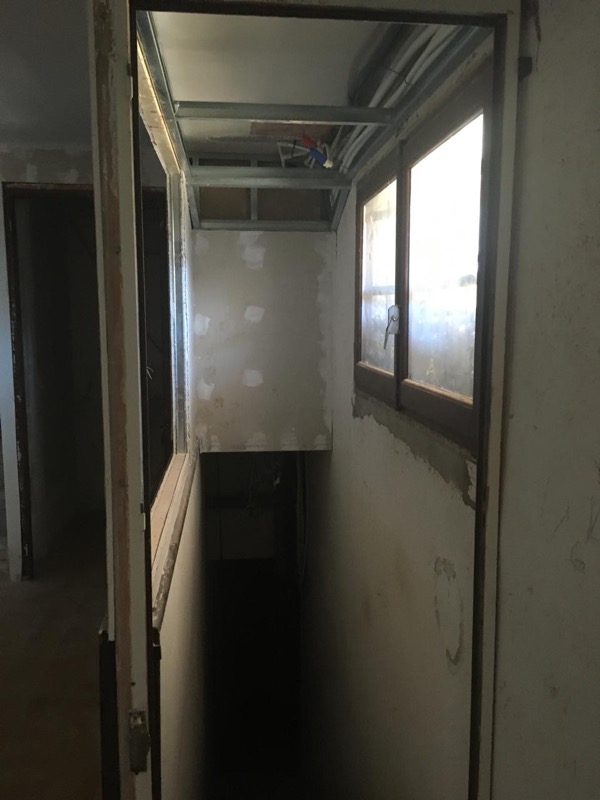
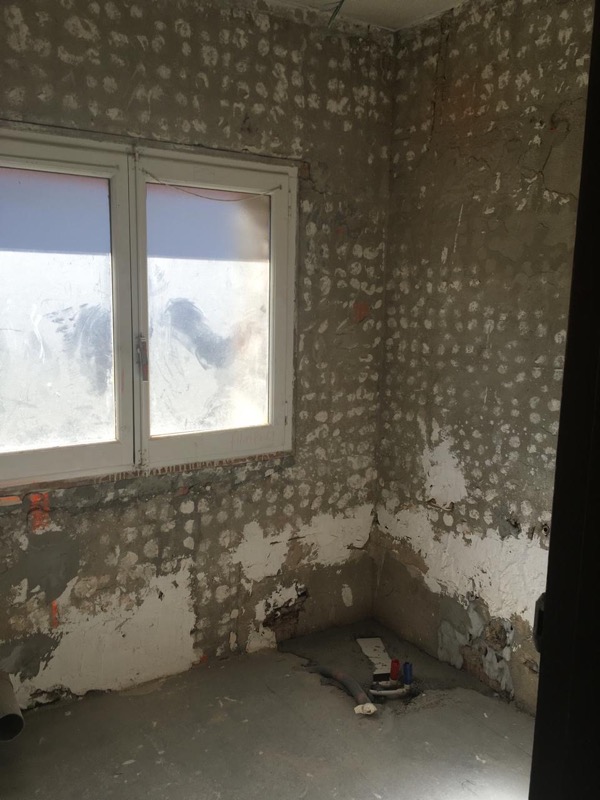
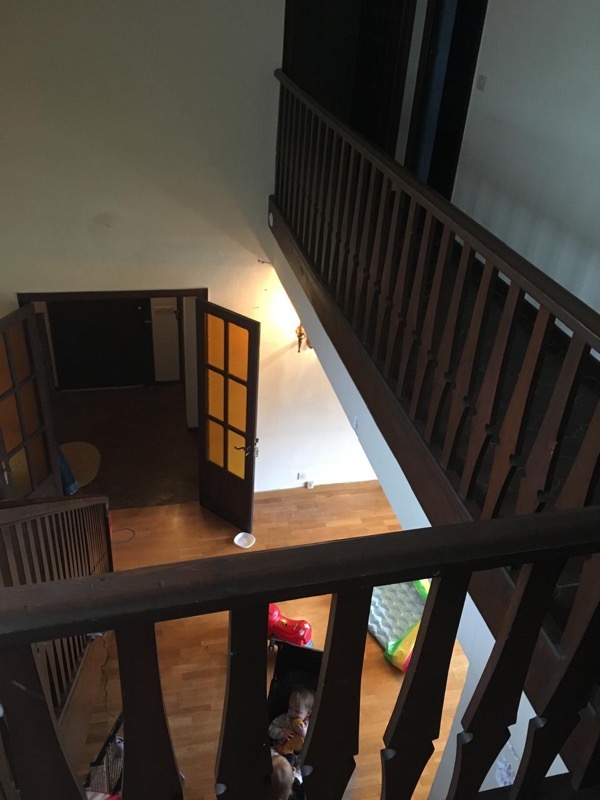
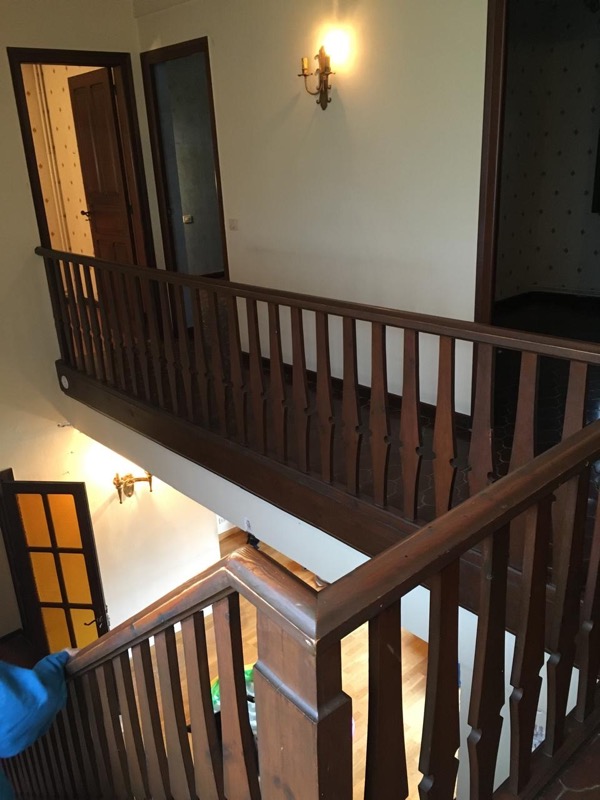
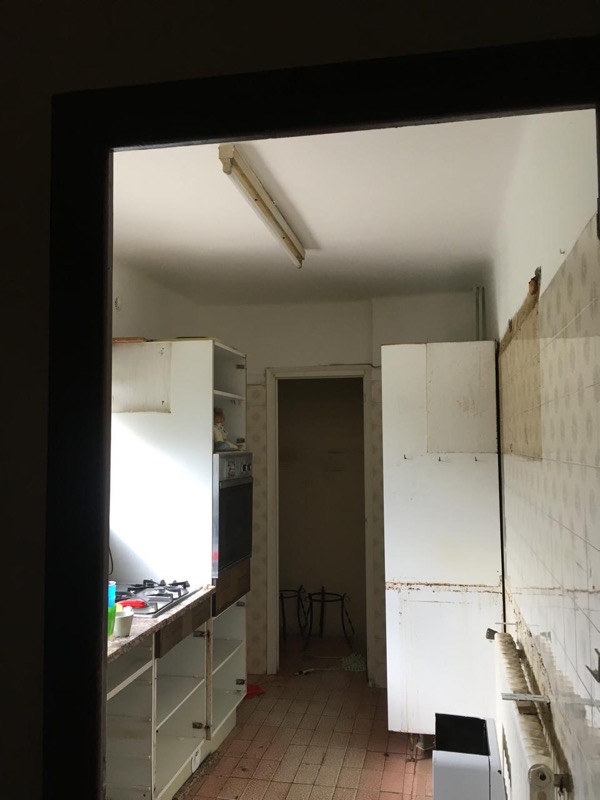
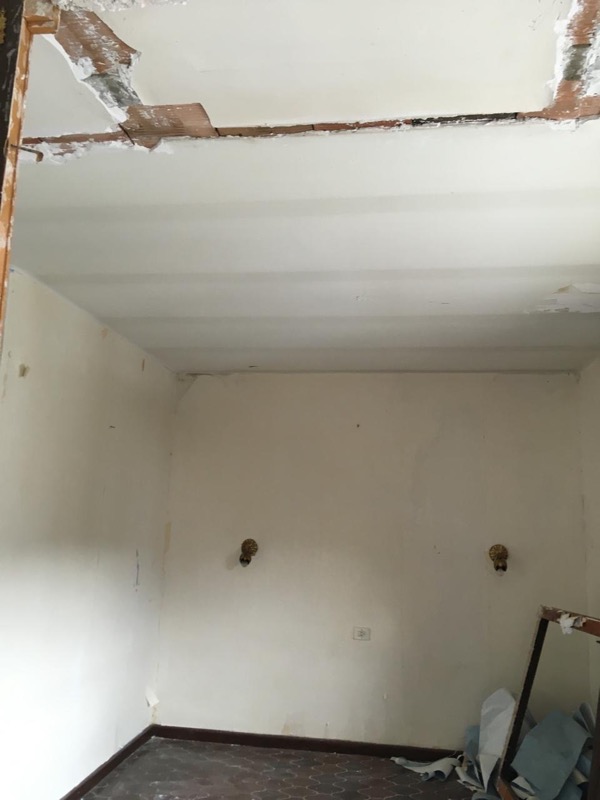
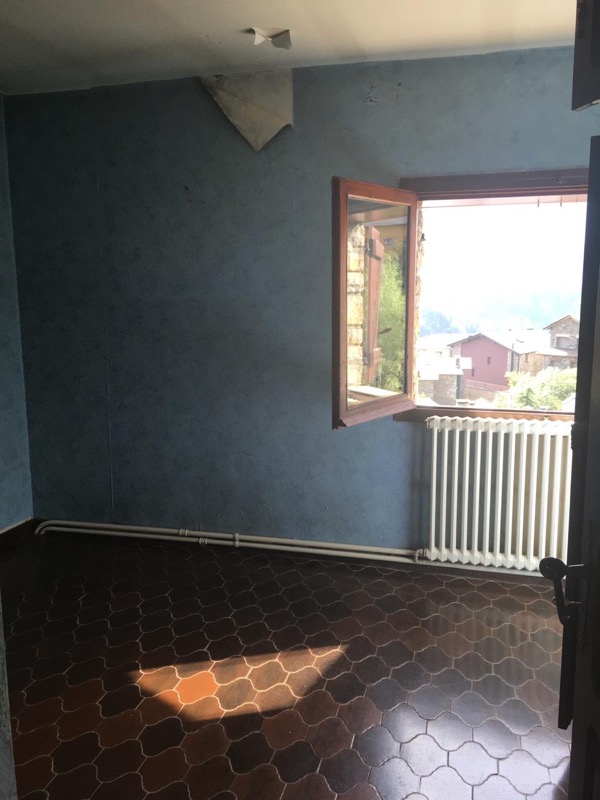
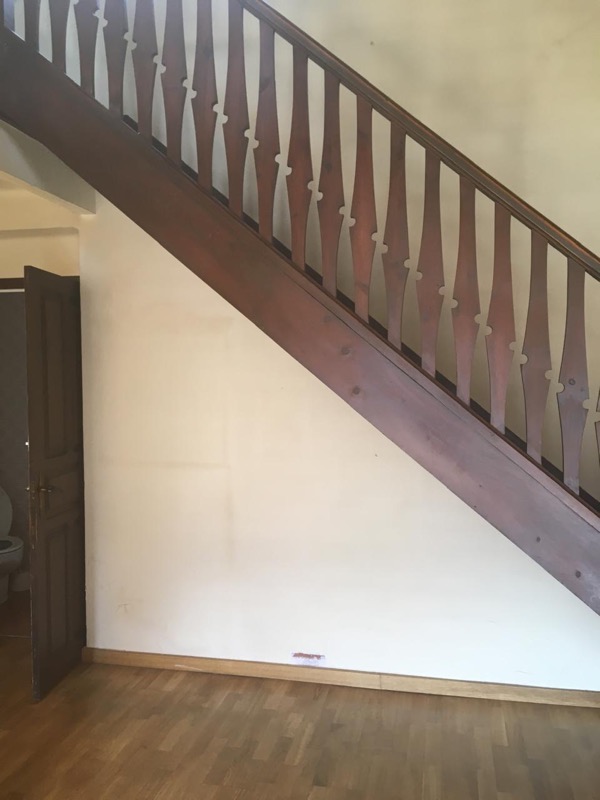
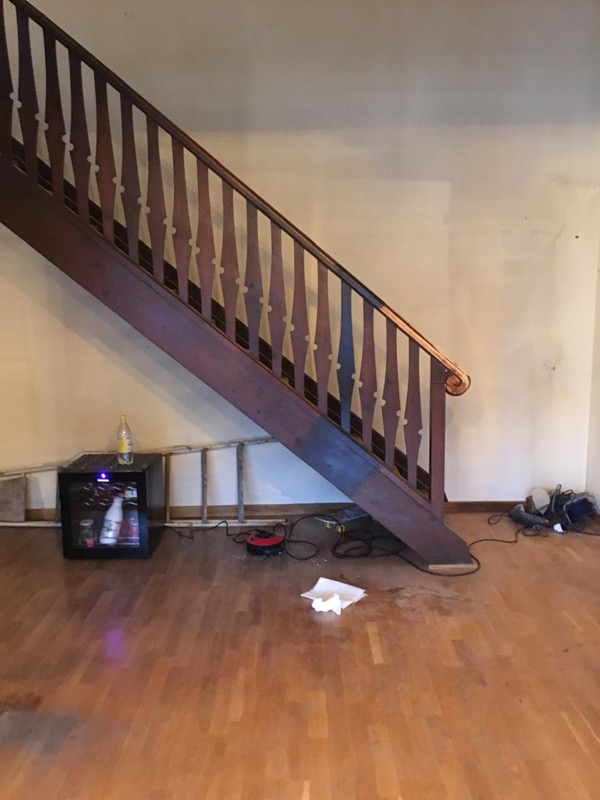
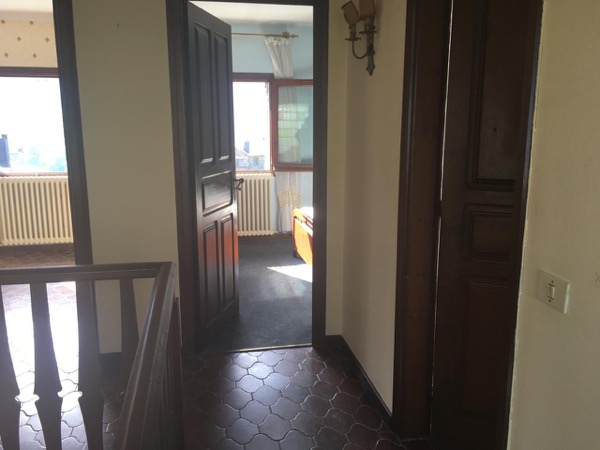
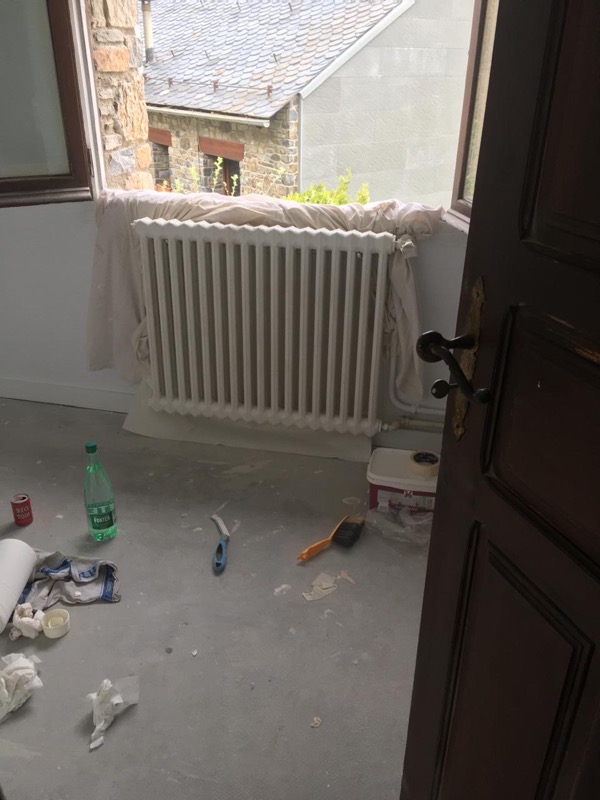
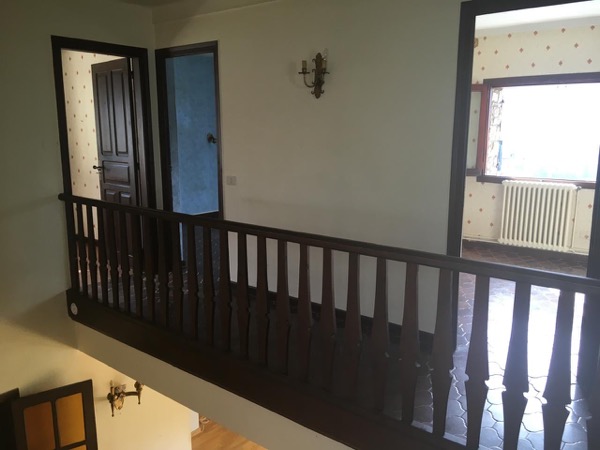
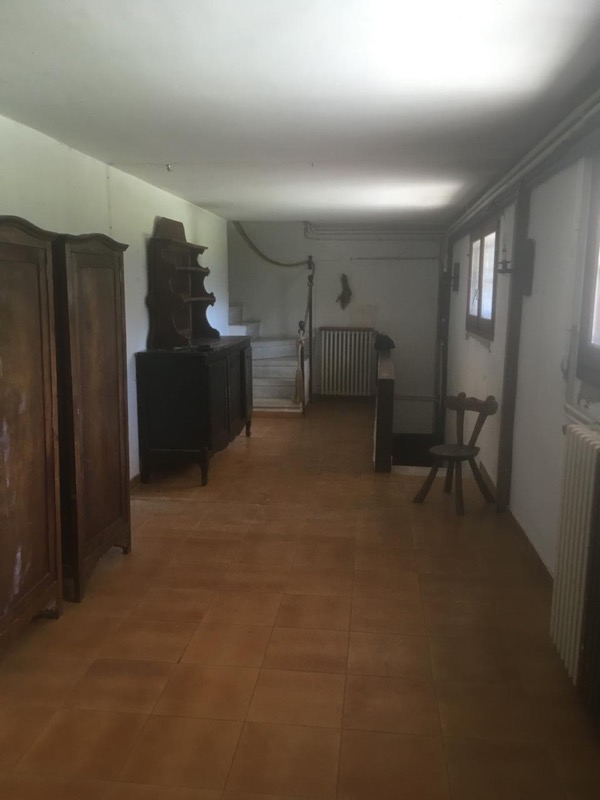
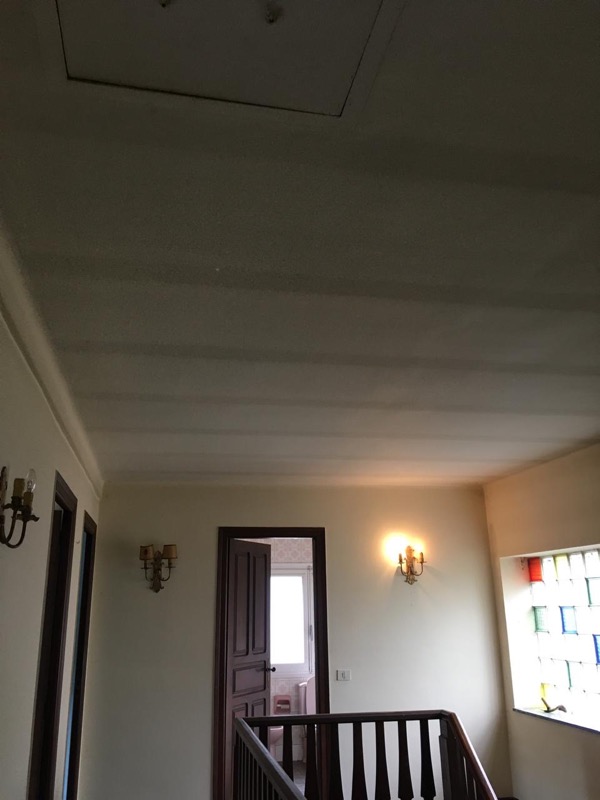
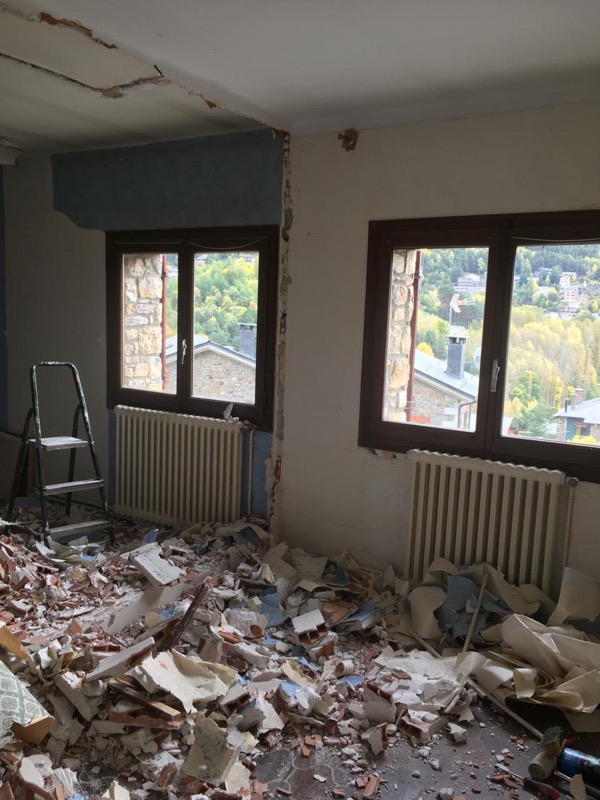
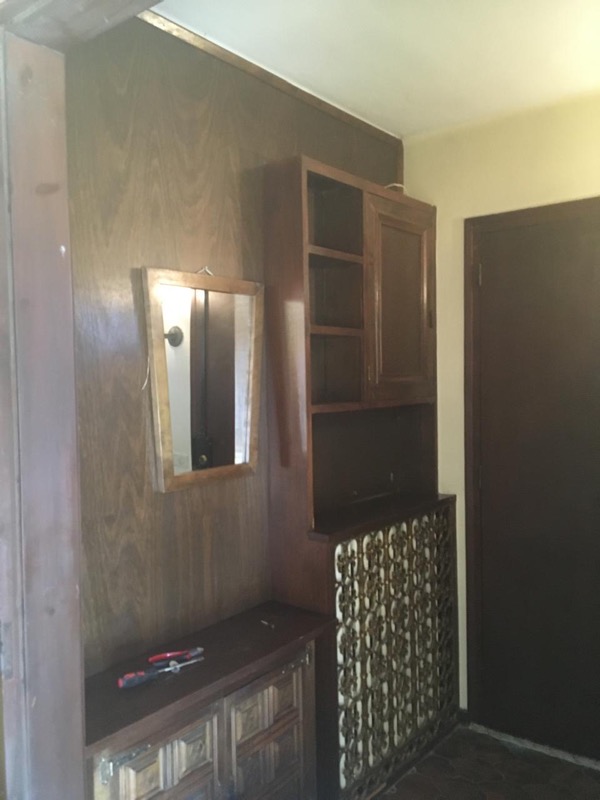
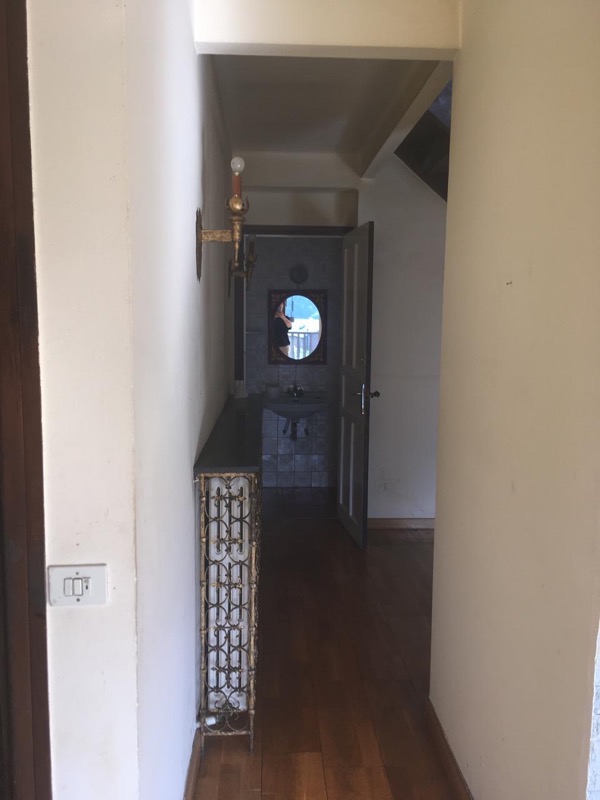
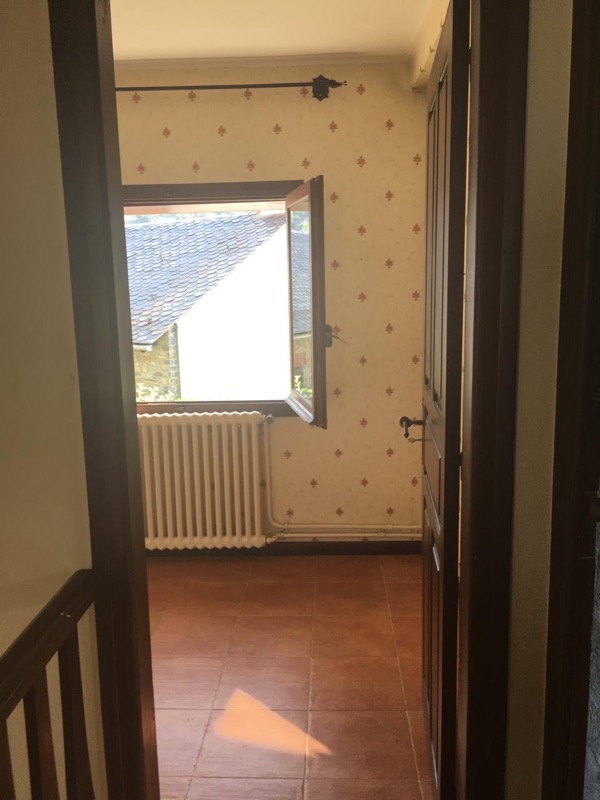
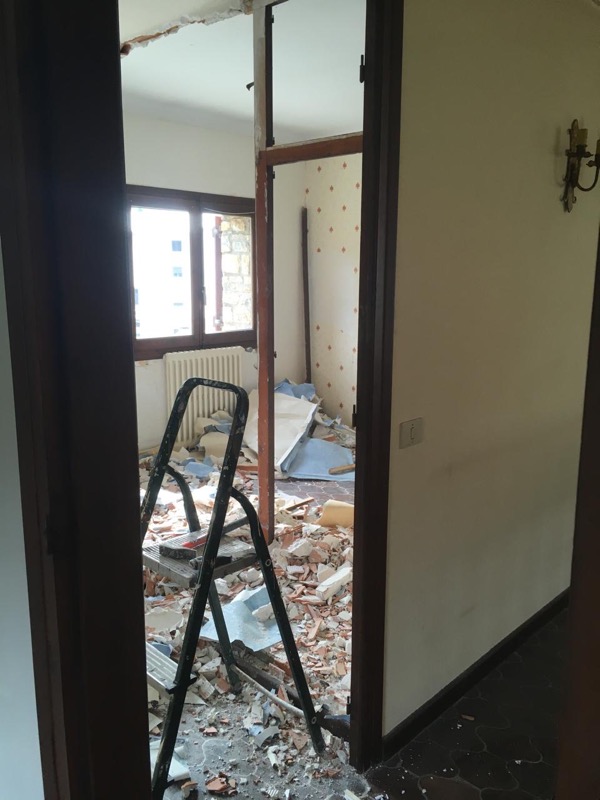
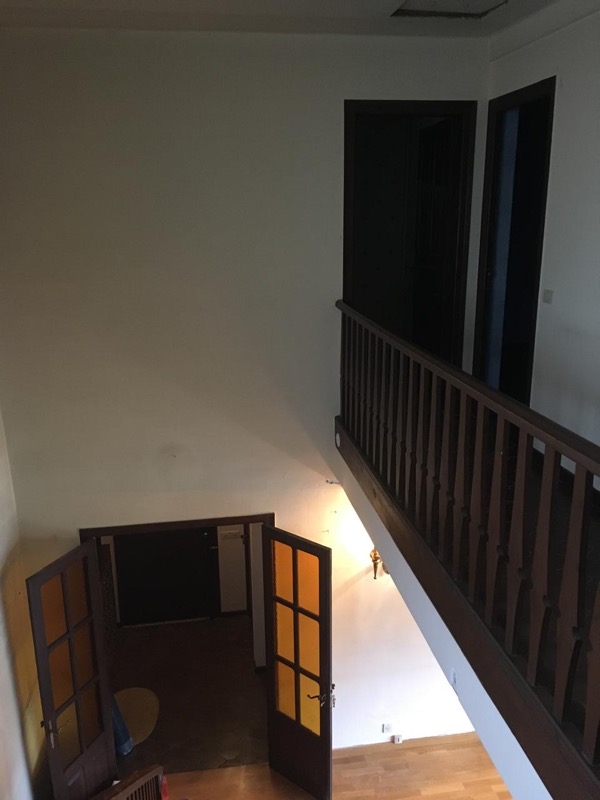
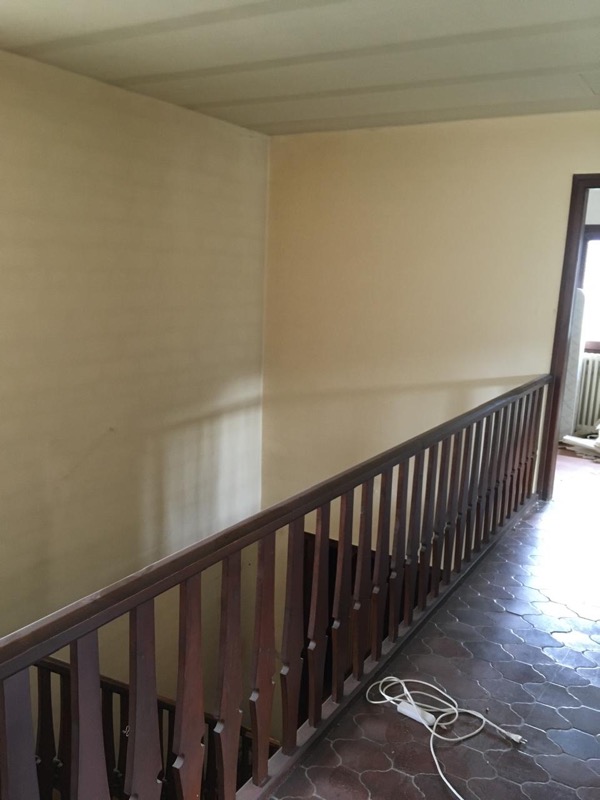
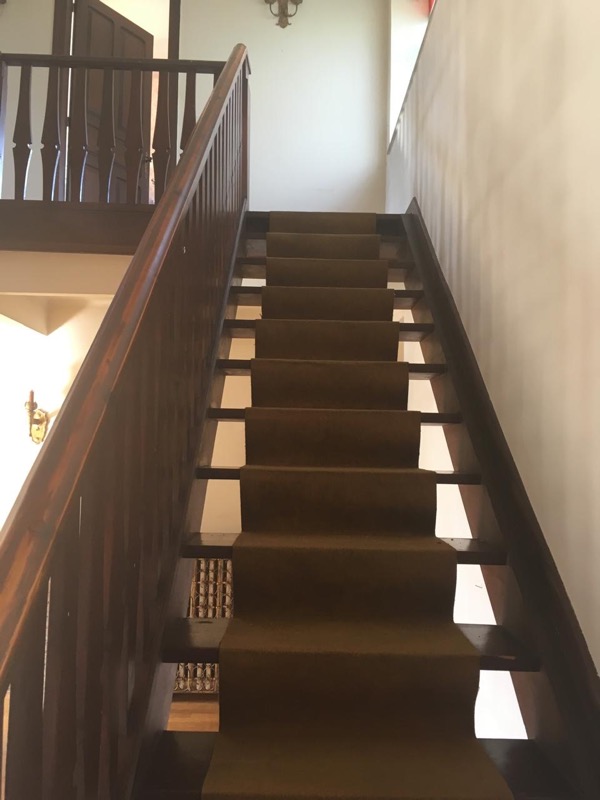
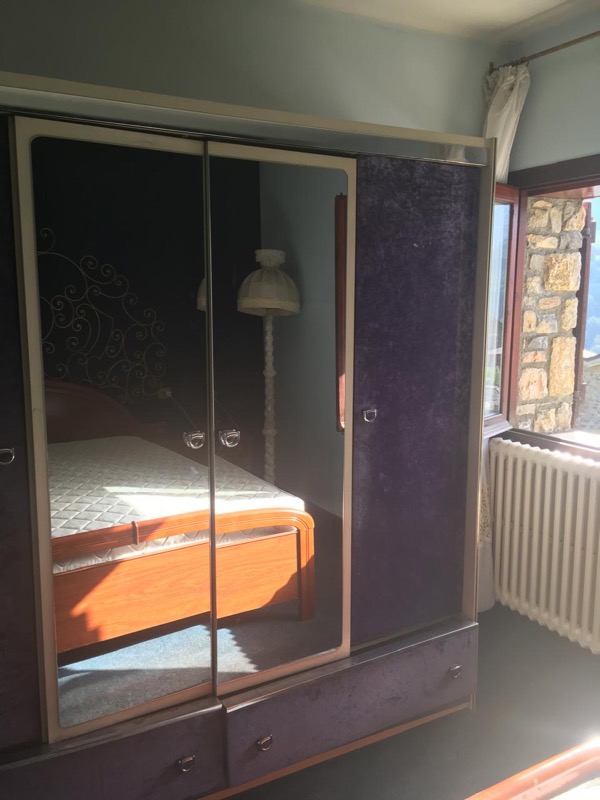
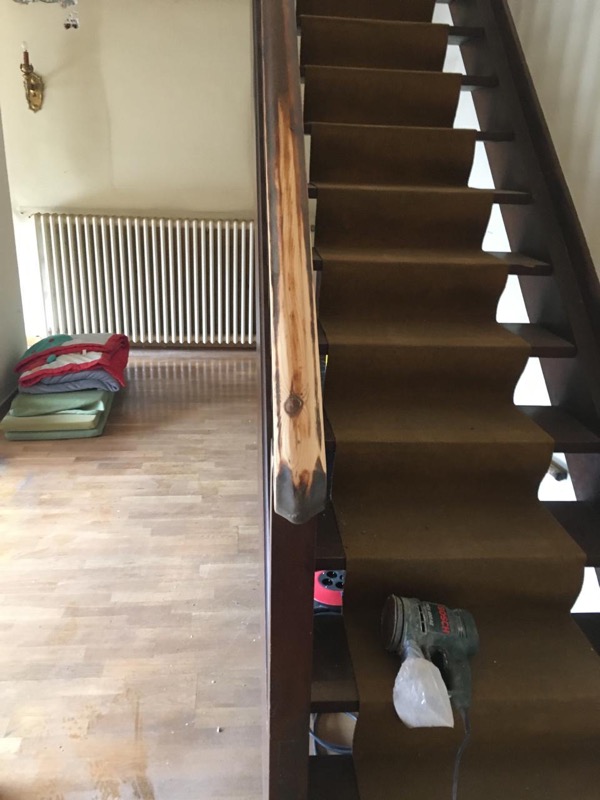
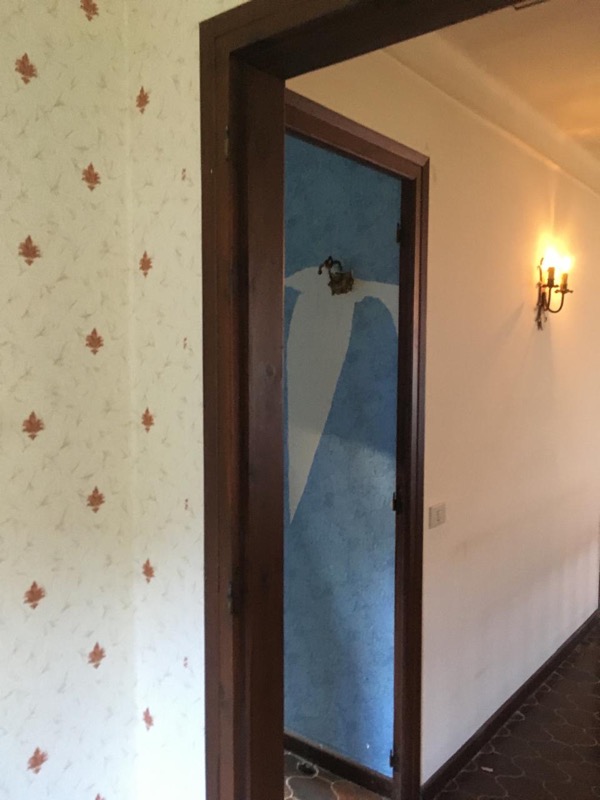
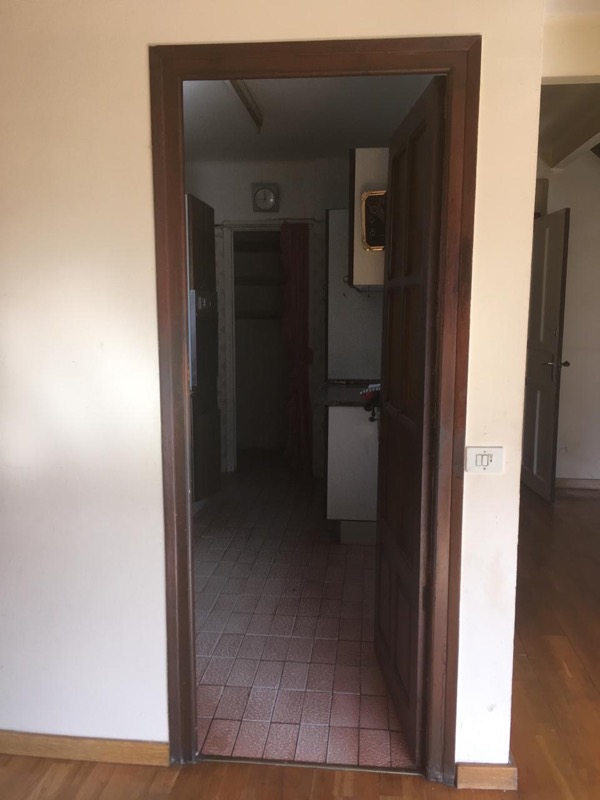
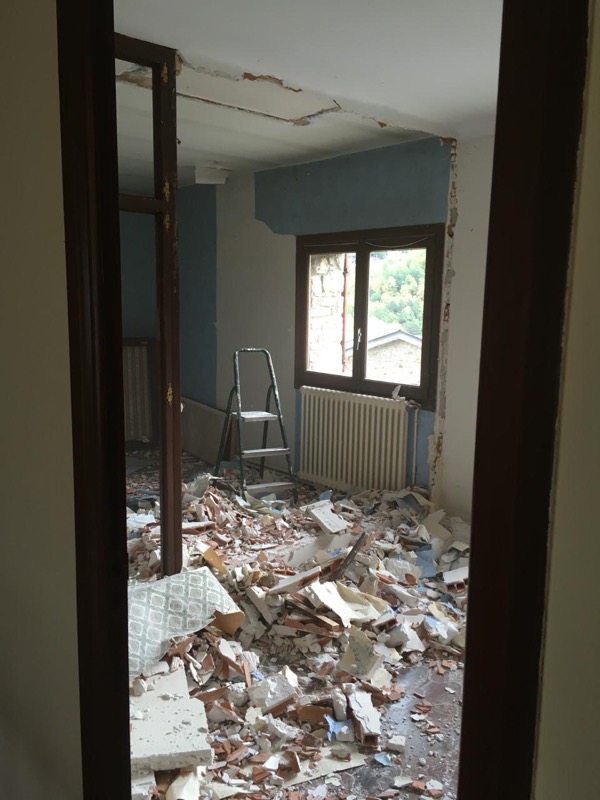
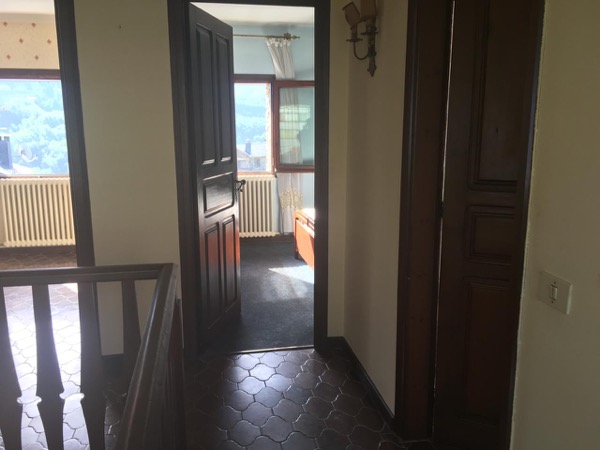
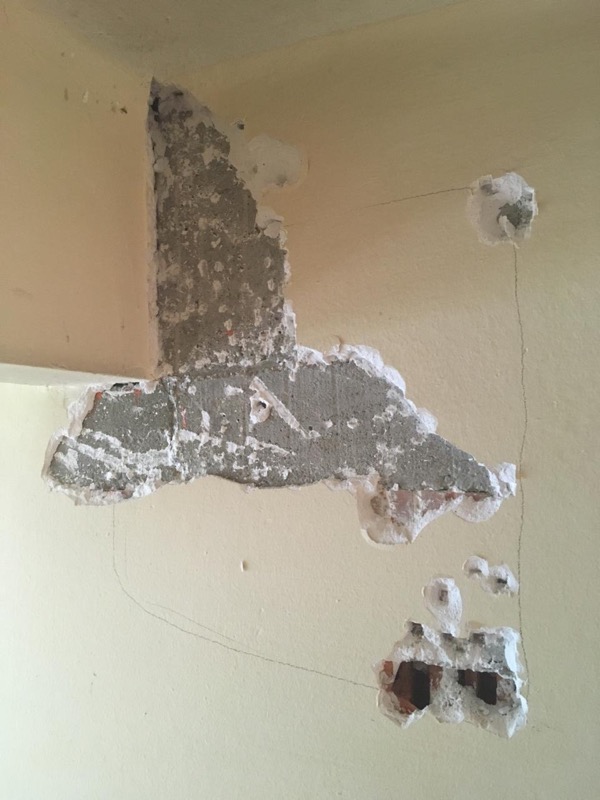
When we first walked through this house, the curtains were drawn. The walls were brown. The wiring was original. Nothing had been touched since 1971 — and it showed.
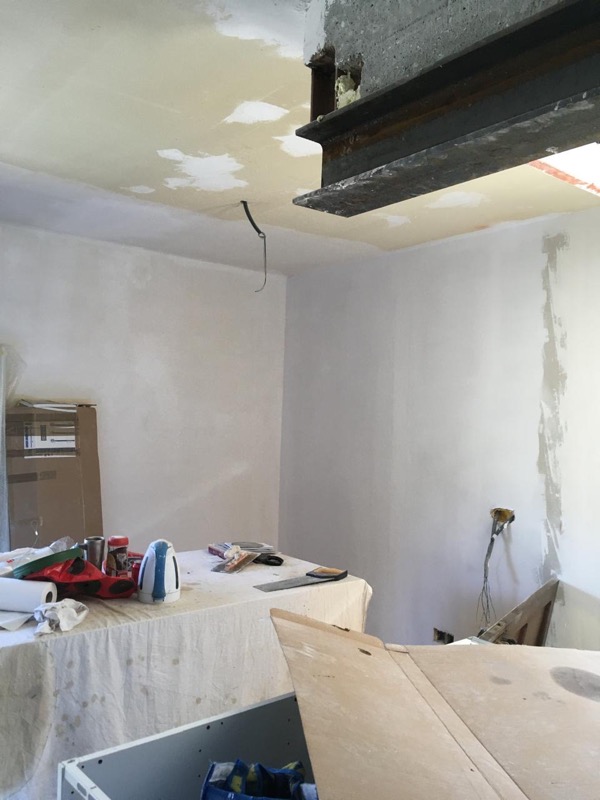
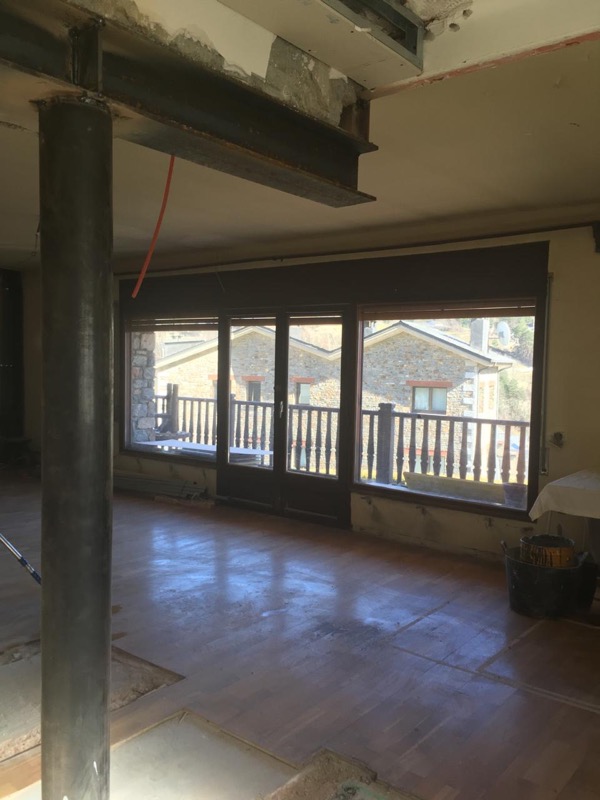
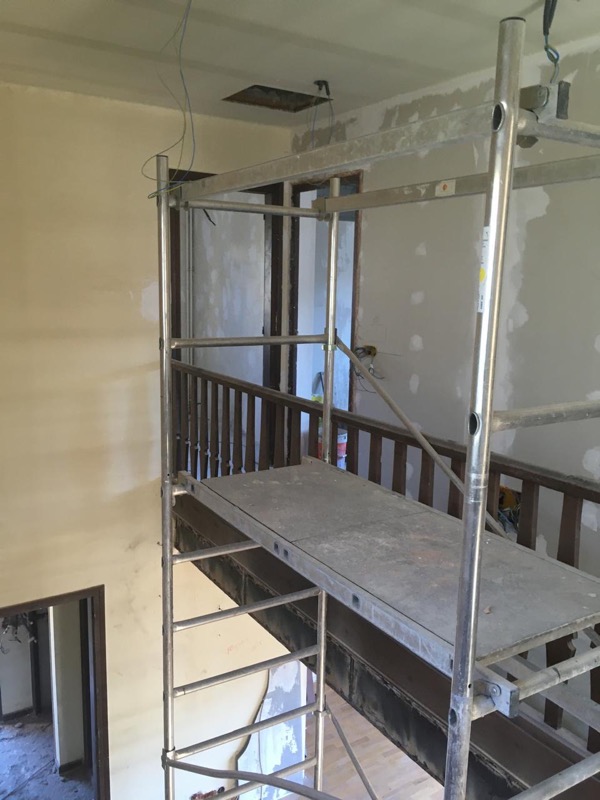
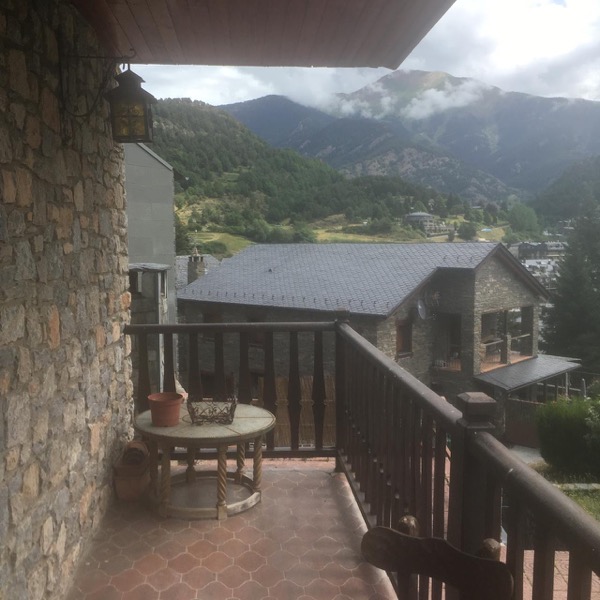
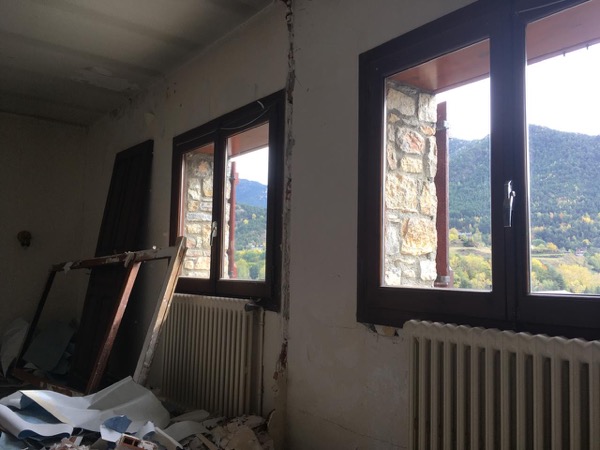
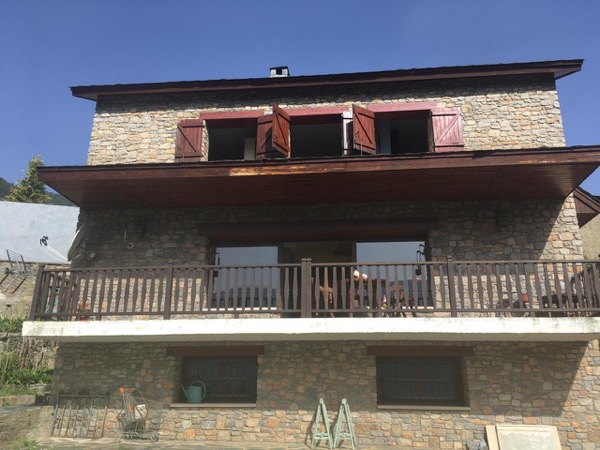
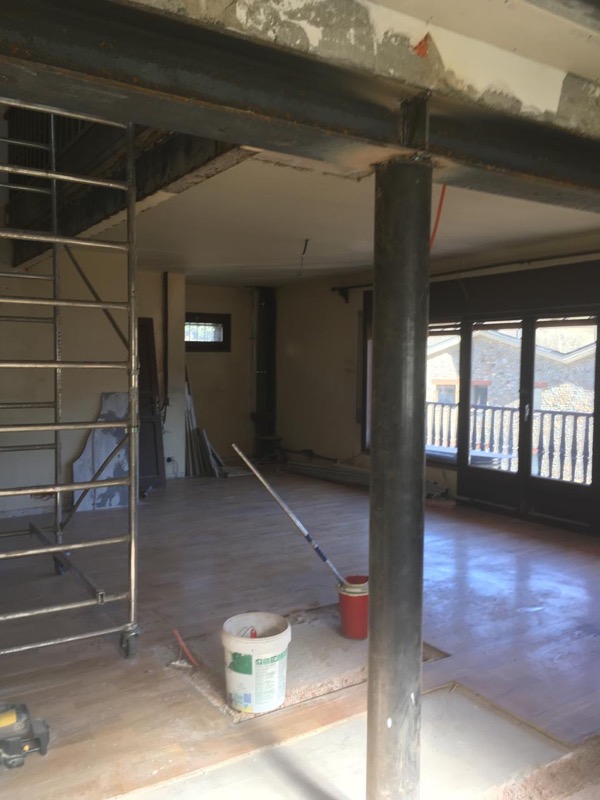
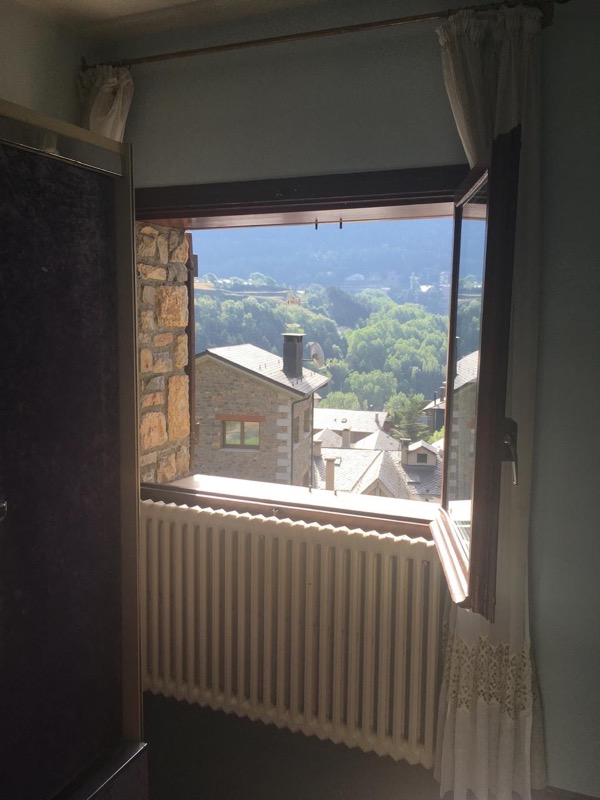
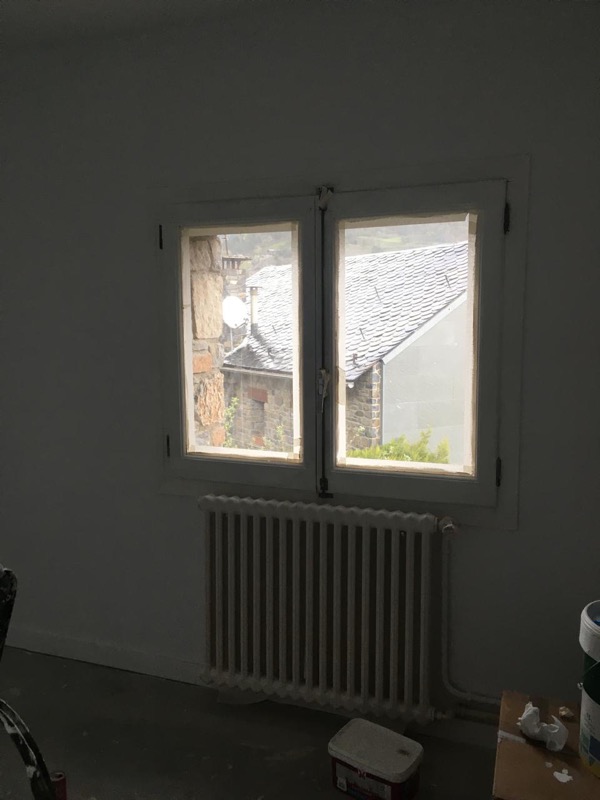
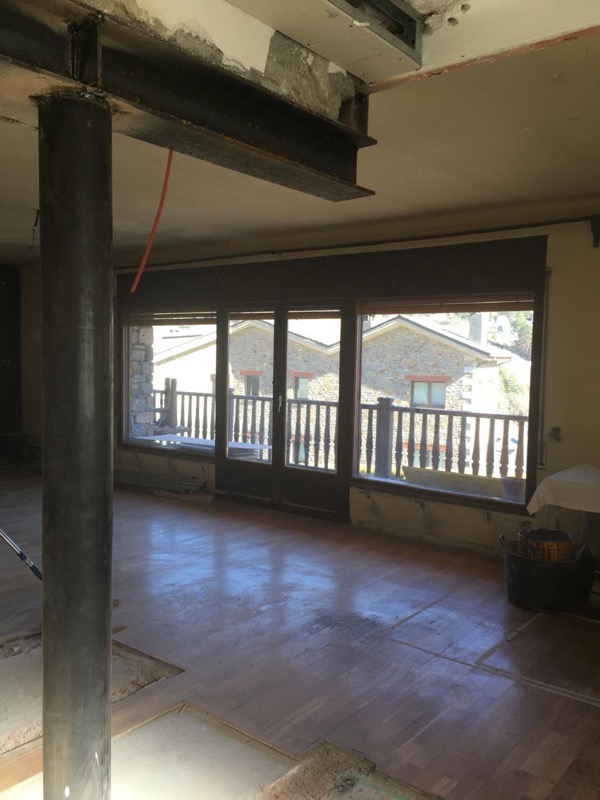
But behind the darkness, we saw the bones of something extraordinary. The original stone. The steel I-beams hidden behind plasterboard. The sheer volume of the rooms. And those views — even through dirty glass, the Pyrenees were right there.
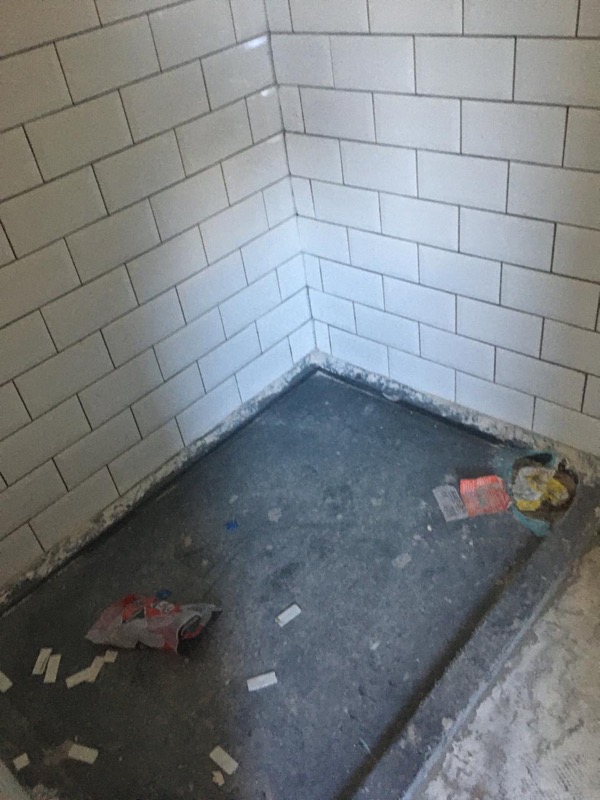
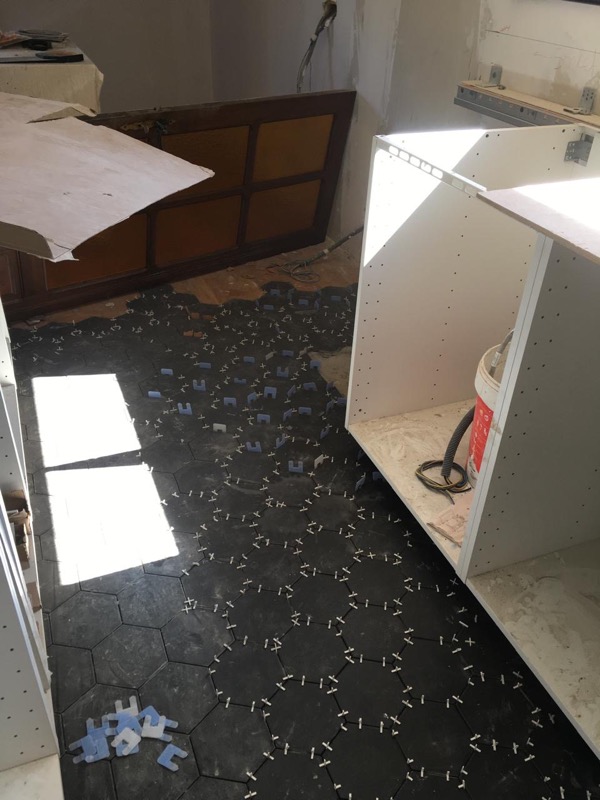
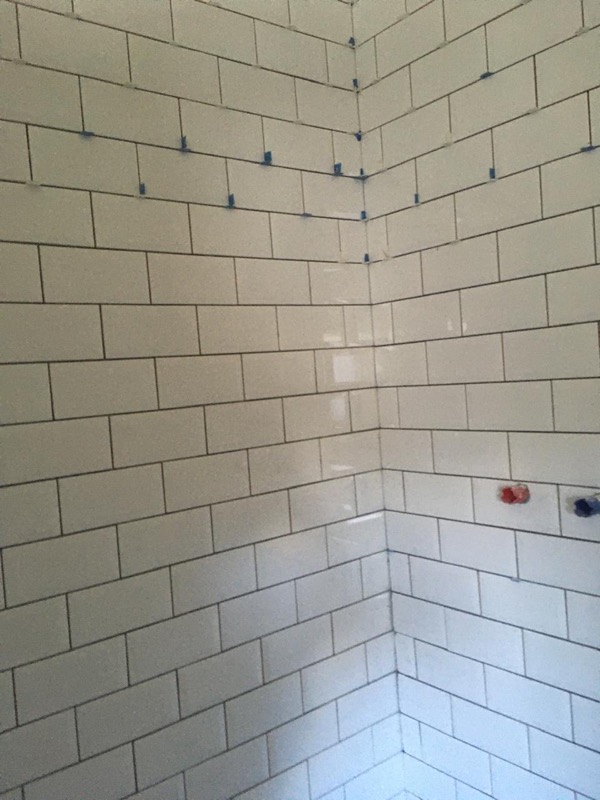
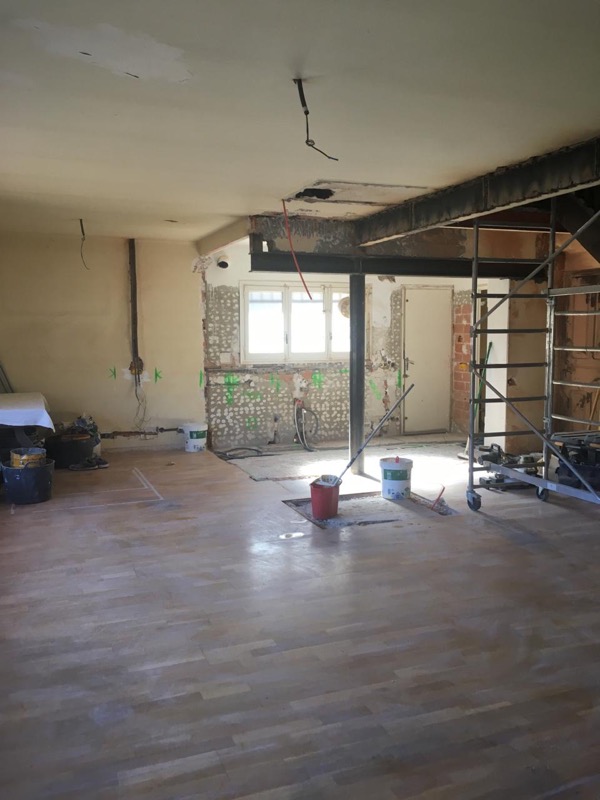
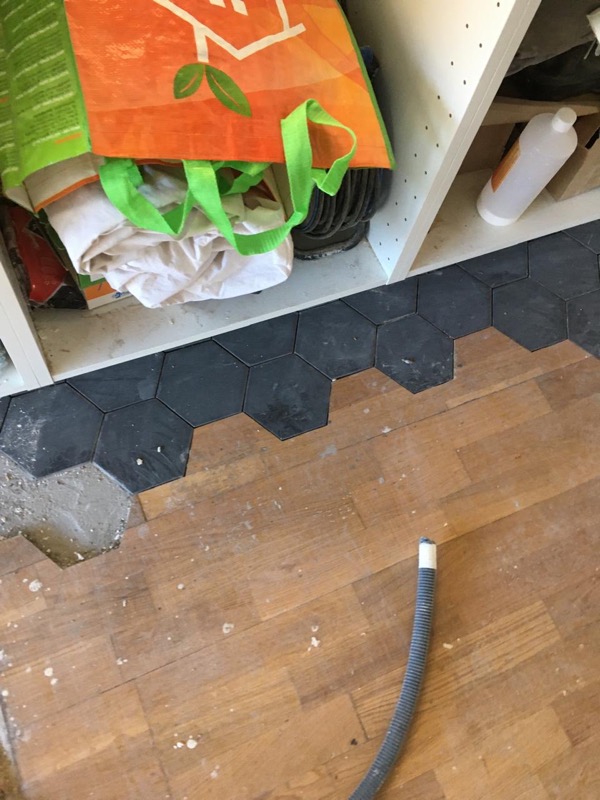
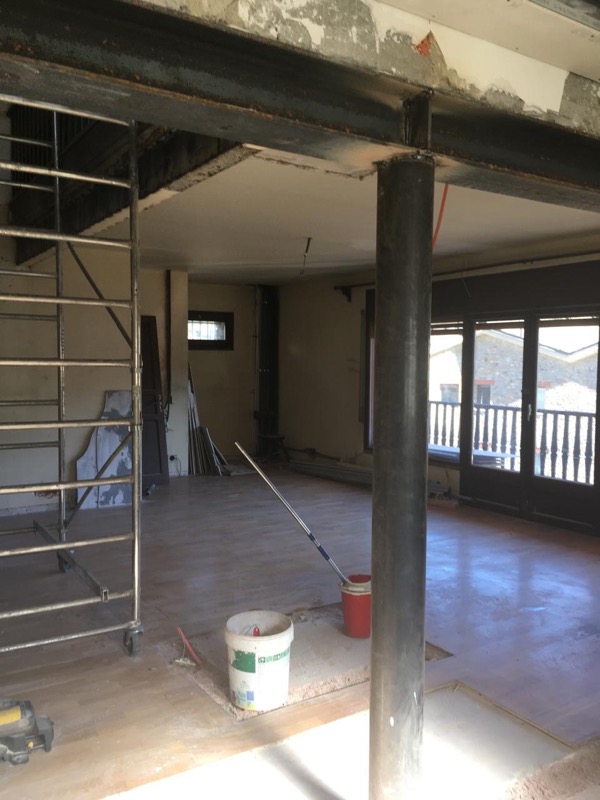
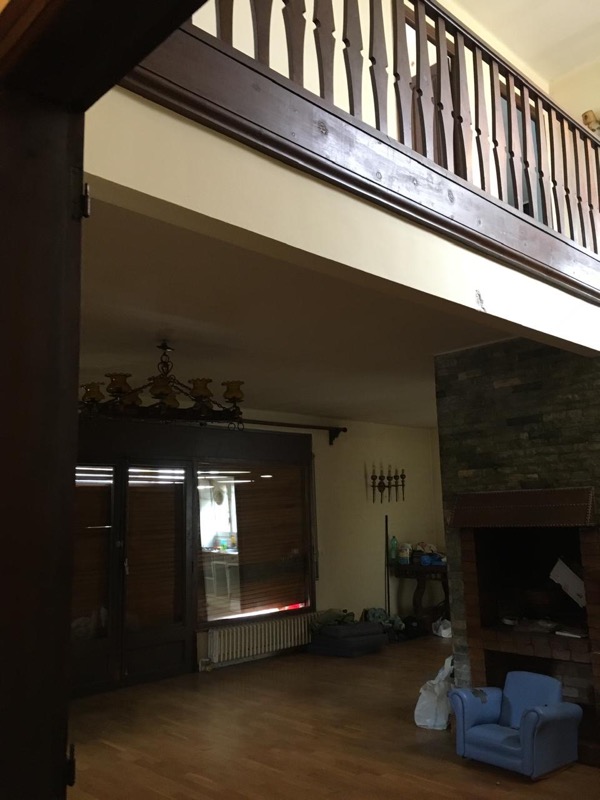
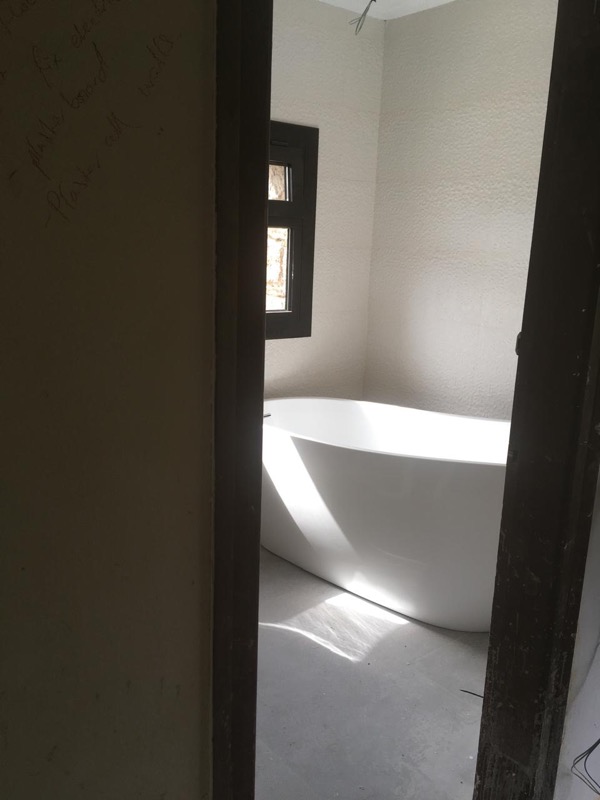
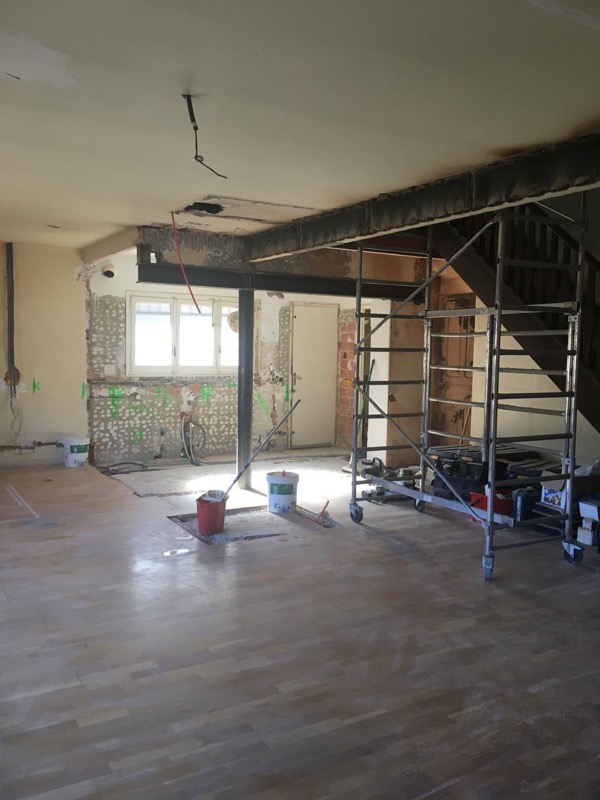
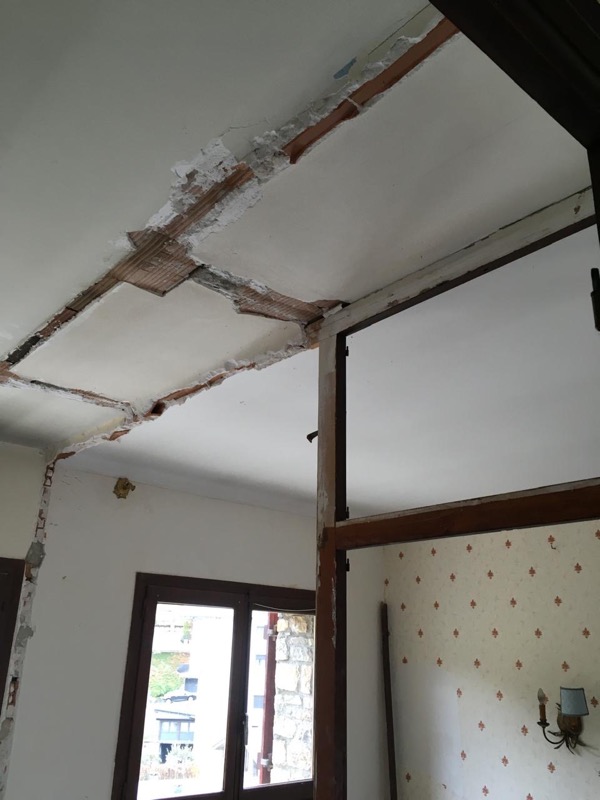
We gutted everything. Every wire. Every pipe. Every wall that didn't need to be there. The electrics were completely replaced. The plumbing was ripped out and re-run from scratch. Three floors of cramped, compartmentalised 1970s living were opened up into flowing, connected spaces designed for the way people actually live today.
The ground floor was reimagined around one idea: a guest walks in, and within thirty seconds they have a drink in their hand. The kitchen island — commissioned from a British specialist — sits at the centre of everything. You cook on one side, you entertain on the other, and the living room is right there beside you. No walls. No barriers. Just flow.
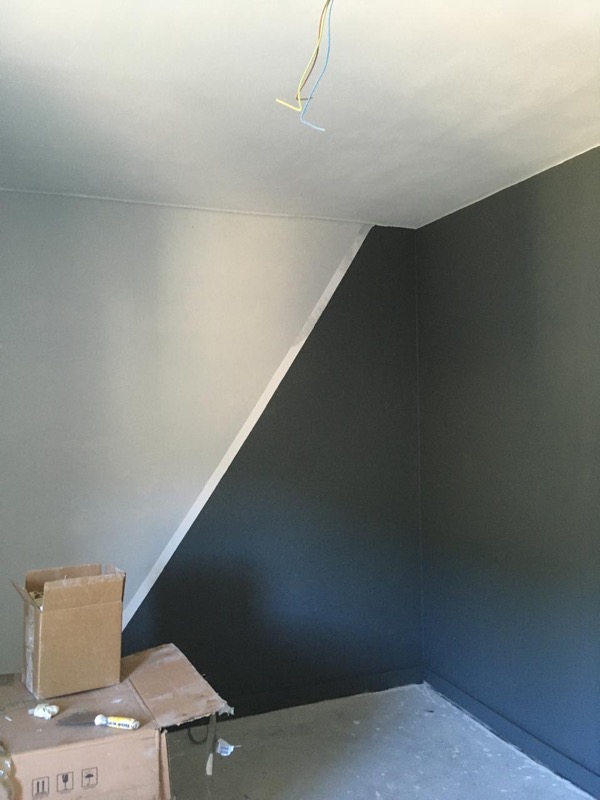
Upstairs, every bedroom wall was redesigned. Not a single square metre is wasted — there are no awkward corners, no dead-end corridors, no spaces that exist for no reason. Every inch of this house was planned to be useful, beautiful, or both.
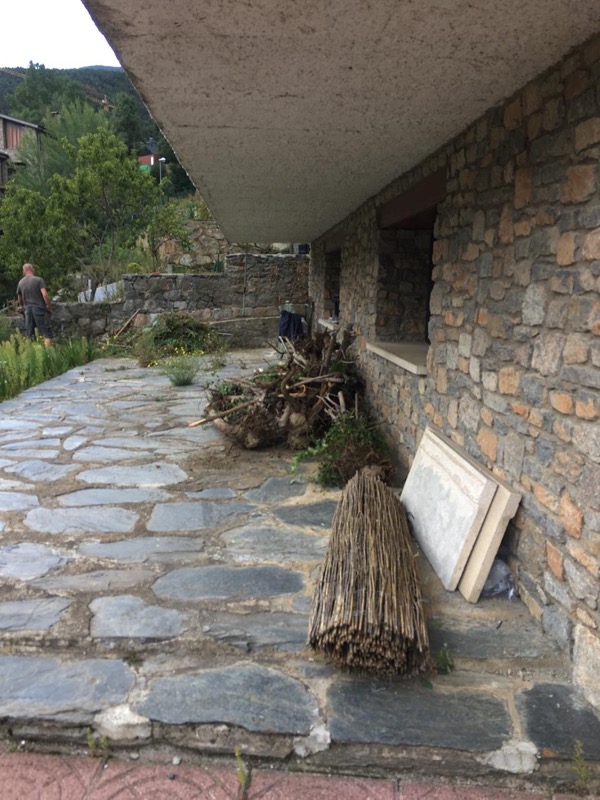
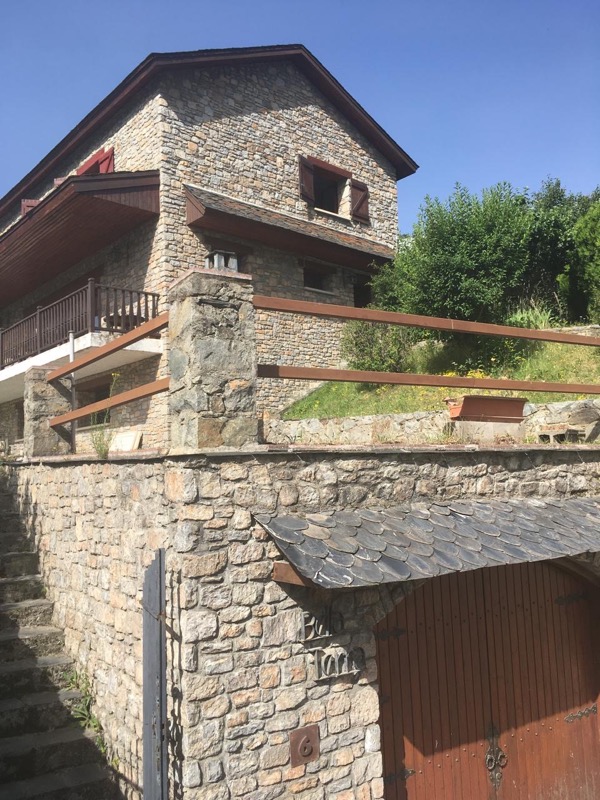
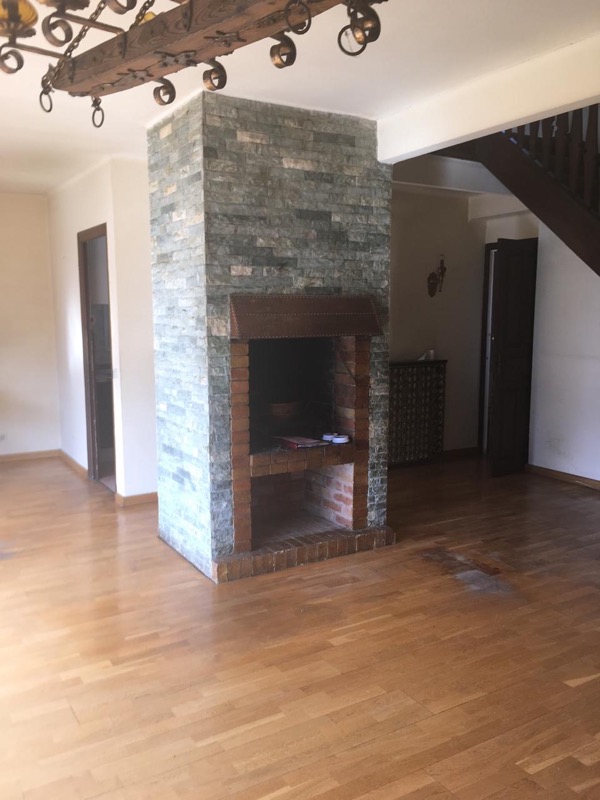
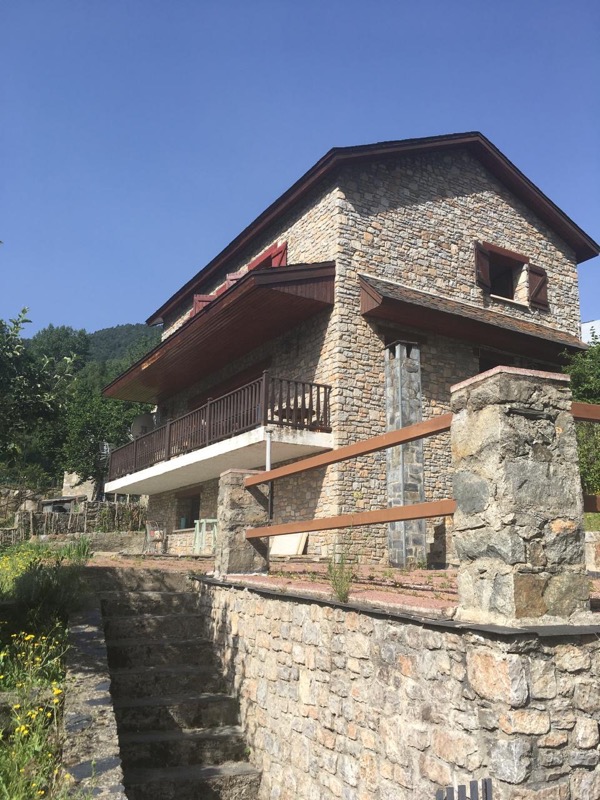
The vision was never to erase the history — it was to reveal it. When we stripped back the ceilings, we found the original industrial I-beams, and we left them exposed. They're now the defining feature of the living room. The old stone walls were cleaned and kept.
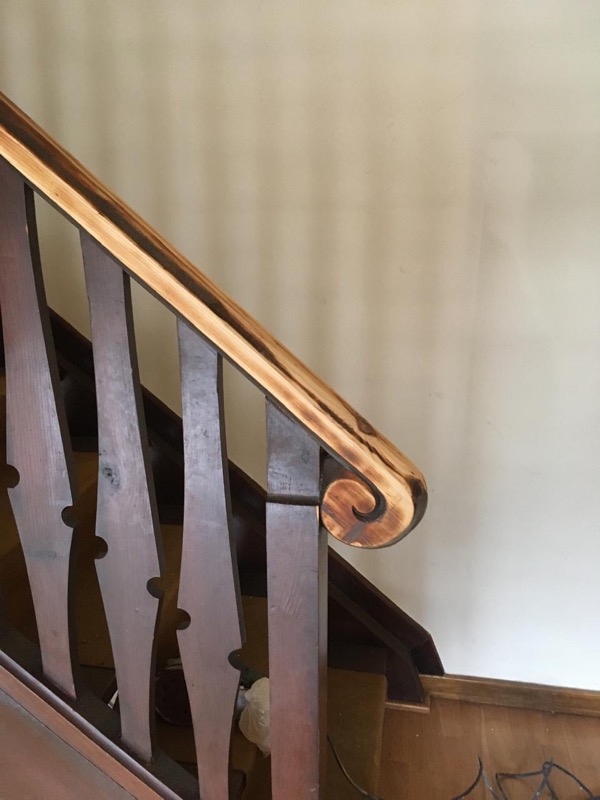
Everything new was designed to complement what was already there: raw steel, polished concrete, industrial lighting — layered over the honest bones of a 1971 Pyrenean house. The result is something you can't buy off a shelf. It's not a renovation. It's a translation.
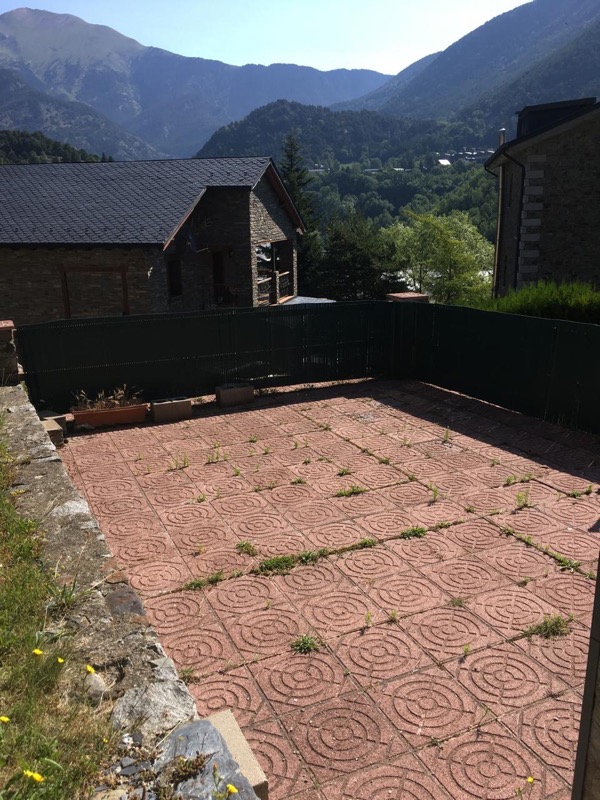
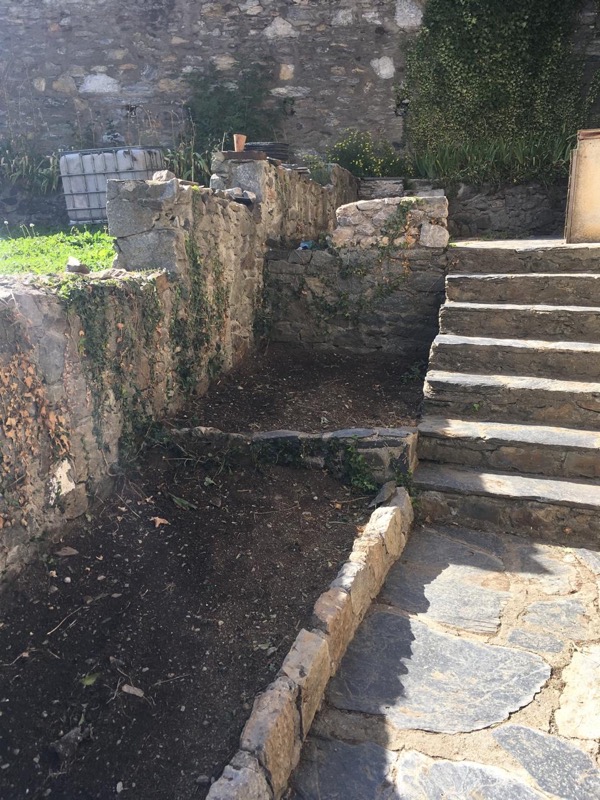
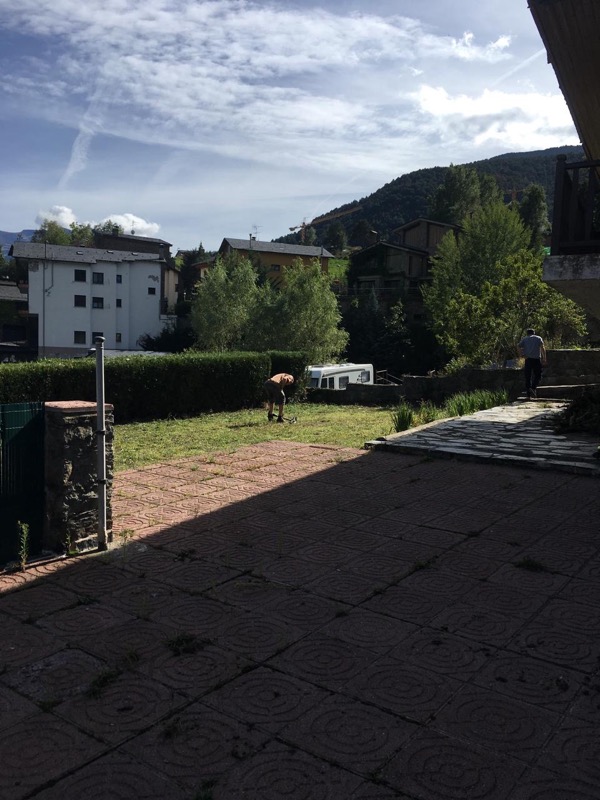
Outside, the same philosophy. The patio and driveway were replaced. But the things that money can't buy — the ivy that's been climbing these walls for decades, the apple trees, the mature garden that took over forty years to grow — those were left exactly where they are. You don't tear out something irreplaceable to put in something new.
The result is a garden that feels like it belongs. Because it does. It's been here longer than we have.
Hover to reveal the details